Insurance Insights & Guidance
Conditional Risk
Breaking down conditional risk factors that shape your insurance premiums and coverage decisions.

Why the Cheapest Insurance Quote Could Cost You the Most
A low premium often hides higher deductibles, lower coverage limits, and broader exclusions that leave you exposed when damage occurs. Understanding total cost of coverage reveals the true price of cheap insurance.

More Stories

How to Conduct a Policy Checkup With Your Insurance Agent
A productive policy checkup with your agent covers coverage limits, deductibles, endorsements, discounts, and life changes. Preparing for the meeting ensures you address every important issue.

The Risks of Signing an Assignment of Benefits After Property Damage
Signing an AOB can speed up repairs but also removes your control over the claim. Understanding the risks helps you decide whether an AOB agreement is right for your situation.

Insurance Claim Processing Times: What Every Policyholder Should Expect
From the moment you file a claim to the day your settlement check arrives, the timeline depends on claim type, complexity, documentation quality, and your insurer's efficiency.

Document Everything: The First Rule of Filing an Insurance Claim
Thorough documentation is the single most important step before filing a claim. Photos, videos, receipts, and written records create the evidence trail that supports your claim and prevents disputes.

Choosing the Wrong Type of Life Insurance Policy for Your Situation
Term life and permanent life insurance serve different purposes. Buying whole life when you need term coverage or vice versa is a fundamental mistake that either wastes money or leaves gaps in protection.
Why Life Insurance Illustrations Can Be Misleading: What to Watch For
Illustrations project attractive future values based on assumptions that may not materialize. Understanding the difference between projections and guarantees prevents unrealistic expectations.

What Do Life Insurance Companies Test for in a Medical Exam?
Life insurance medical exams test for cholesterol levels, blood sugar, liver and kidney function, HIV, nicotine, drug use, and other markers that indicate your overall health and mortality risk.

Life Insurance Denied for Pre-Existing Conditions: What Are Your Options?
A pre-existing condition does not automatically disqualify you from life insurance. Many conditions can be covered at standard or rated premiums, and alternative products exist for those who face traditional denials.

The Truth About Borrowing Against Your Life Insurance Policy
Policy loans from permanent life insurance offer flexibility that traditional loans cannot match. But unpaid loans reduce your death benefit and can trigger a policy lapse with serious tax consequences.

Tax-Deferred Growth in Life Insurance: How Cash Value Avoids Annual Taxation
Cash value inside a life insurance policy grows without triggering annual income taxes. This tax-deferred status is one of the primary advantages of permanent life insurance over taxable savings accounts.

Face Amount vs Actual Death Benefit: Why They May Not Be the Same
The face amount is the death benefit listed on your policy. But outstanding loans, rider deductions, and other factors can change the actual amount your beneficiaries receive.

Why Naming a Life Insurance Beneficiary Is the Most Important Step You Can Take
A named beneficiary receives life insurance proceeds directly, bypassing probate entirely. Without one, proceeds enter your estate and face delays, fees, and creditor claims.

Per Stirpes vs Per Capita: How Beneficiary Distribution Methods Work
Per stirpes passes a deceased beneficiary's share to their children, while per capita divides equally among surviving beneficiaries. Choosing the right distribution method prevents unintended outcomes when a beneficiary predeceases you.

Divorce and Your Life Insurance Beneficiary: What Happens If You Do Not Update
In many states, your ex-spouse remains the legal beneficiary of your life insurance policy after divorce unless you file a new designation. Failing to update can result in your ex receiving the entire death benefit.

How to Change Your Life Insurance Beneficiary After Marriage or Divorce
Major life events like marriage, divorce, and remarriage require beneficiary updates. The process is straightforward but the consequences of not updating can be devastating for your intended recipients.

Term Life Insurance for Mortgage Protection: The Affordable Solution
A 20 or 30-year term life policy aligns perfectly with most mortgage terms. Coverage costs as little as $25 to $50 per month for enough protection to pay off a typical mortgage.

Should You Buy Life Insurance If You Are Single With No Children?
Single adults without children may still need life insurance to cover debts, protect cosigners, fund final expenses, or lock in low rates before health conditions develop.

Why Term Life Insurance Premiums Are So Much Lower Than Whole Life
Term life premiums are lower because the coverage is temporary and builds no cash value. The insurer only pays a death benefit if you die during the term. Most term policies expire without a claim, which keeps costs down.

Universal Life Insurance Premiums: Why Flexibility Can Be a Double-Edged Sword
The ability to adjust premium payments is a core UL feature, but paying less than the target premium can erode cash value and eventually cause the policy to lapse. Understanding minimum and target premiums is essential.

The Guaranteed Death Benefit: How Whole Life Insurance Protects Your Family Forever
Whole life insurance guarantees a death benefit that will be paid to your beneficiaries whenever you pass away, as long as premiums are maintained. This permanence is what distinguishes it from term coverage.

20-Year Term Life Insurance: The Most Popular Term Length Explained
Twenty-year term life insurance is the most commonly purchased term length. It aligns well with mortgage payoff periods, child-rearing years, and the peak earning decades of most careers.

The DIME Method for Calculating Life Insurance Needs
DIME stands for Debt, Income, Mortgage, and Education. This four-part formula helps you calculate a comprehensive life insurance amount that addresses every major financial obligation.

Life Insurance for Mortgage Protection: Keeping the Family Home
Many families buy life insurance specifically to ensure the mortgage gets paid if a breadwinner dies. Losing a home on top of losing a loved one compounds the devastation for surviving family members.

The Mechanics of Life Insurance: Premiums, Policies, and Payouts
Life insurance works by pooling risk among many policyholders. You pay premiums, and the insurance company pays a death benefit to your beneficiaries. Understanding these mechanics helps you buy wisely.

How Much Does Flood Insurance Cost for Renters?
Renters flood insurance through the NFIP can cost as little as a few hundred dollars per year for a contents-only policy. The exact premium depends on your flood zone, coverage amount, and deductible selection.

NFIP Flood Insurance for Condo Unit Owners: Coverage, Cost, and Process
The National Flood Insurance Program offers individual condo unit owner policies that cover personal property and unit improvements. Premiums depend on flood zone, floor level, and building characteristics.
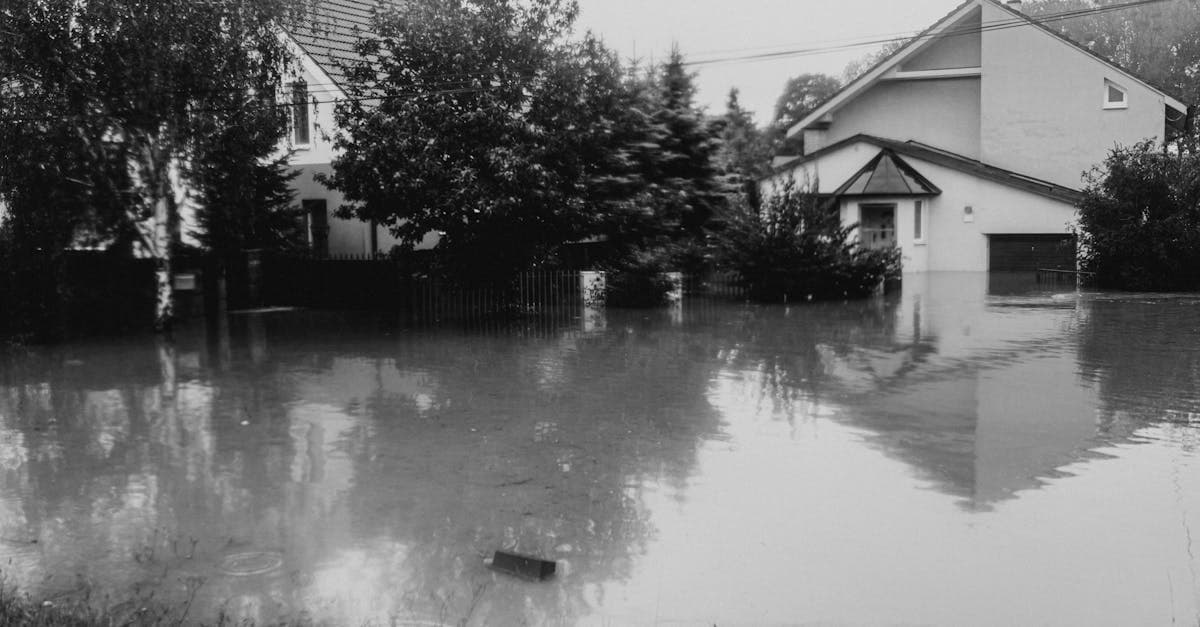
The Hidden Flood Risk in Moderate and Low-Risk Zones
Moderate-risk and low-risk flood zones still experience significant flooding from heavy rain, overwhelmed drainage, and changing weather patterns. Understanding your true exposure goes beyond reading a FEMA map.

Per-Occurrence vs Annual Aggregate: How Hurricane Deductibles Really Work
The critical distinction between per-occurrence and annual aggregate hurricane deductibles determines how many times you pay in a single year. Most policies use per-occurrence triggers, but state laws create important exceptions.

Hurricane Watch vs Hurricane Warning: When Your Deductible Changes
Some policies trigger the hurricane deductible when a hurricane warning is issued for your area. Others require actual hurricane conditions. The distinction can mean thousands of dollars in deductible difference.

How to Calculate Your Florida Hurricane Deductible in Dollars
A 2 percent hurricane deductible on a $350,000 dwelling policy means $7,000 out of pocket before insurance pays. Learn how to calculate your exact hurricane deductible amount using your policy declarations page.

Hurricane Deductible vs Standard Deductible: Understanding the Key Difference
Your standard deductible might be $1,000 or $2,500 for most claims. Your hurricane deductible could be $8,000 to $20,000 depending on your dwelling coverage limit and percentage. The difference matters.

Storm Surge vs Wind-Driven Rain: Two Types of Water Damage With Different Coverage
Storm surge is classified as flood damage requiring a flood policy. Wind-driven rain that enters through a wind-created opening is covered by homeowners insurance. The distinction is critical.

Which Insurance Pays for Water Damage? A Scenario-by-Scenario Breakdown
A burst pipe triggers homeowners insurance. A flooded river triggers flood insurance. But what about storm surge, sewer backup, and heavy rain? This guide maps every water damage scenario to the right policy.

What the NFIP Does Not Cover: A Policyholder's Guide to Flood Insurance Gaps
The National Flood Insurance Program provides valuable protection but leaves significant gaps. Understanding what the NFIP excludes helps you plan supplemental coverage and financial reserves for uncovered losses.

NFIP Flood Insurance: What the National Program Covers and How It Works
The National Flood Insurance Program provides up to $250,000 in building coverage and $100,000 in contents coverage for residential properties. Here is what qualifies under each category.

Who Really Needs Flood Insurance in Florida? It Is More People Than You Think
The conventional wisdom says only coastal Florida homeowners need flood insurance. The reality is that flooding affects every part of the state, and the need for coverage extends to virtually every property type.

FEMA Flood Zones in Florida: Which Zones Require Flood Insurance?
FEMA designates flood zones based on risk level. Properties in zones A and V in Florida face mandatory flood insurance requirements when financed with federal loans. Zone X properties face no federal mandate.
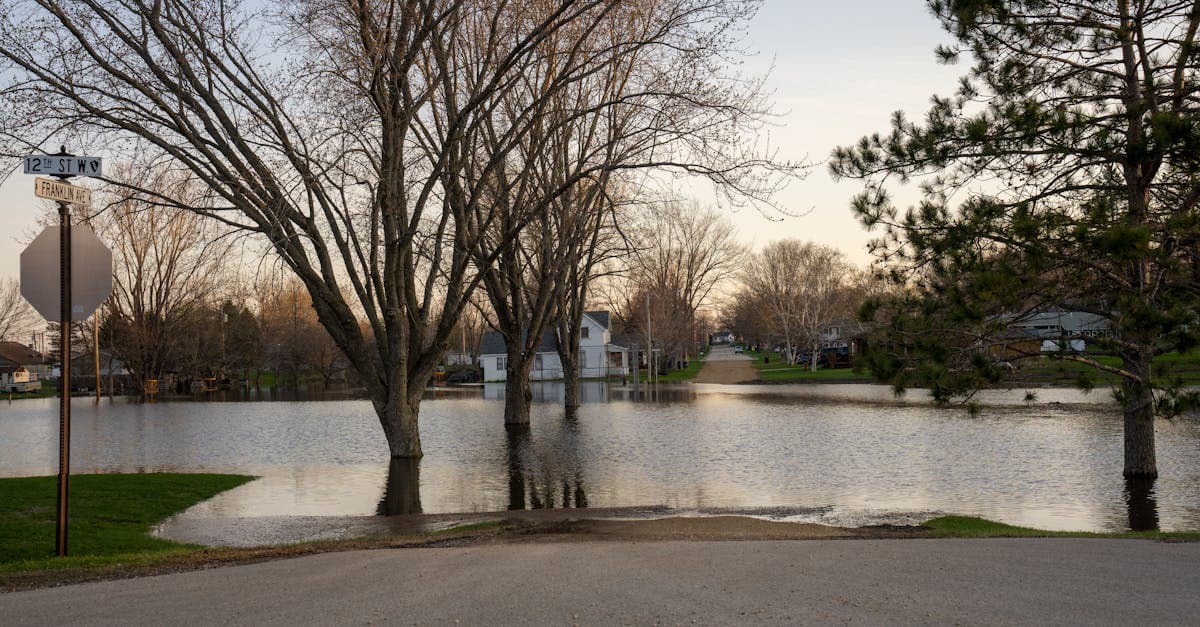
Do You Need Flood Insurance? Understanding Your Risk
Nearly 25 percent of all flood insurance claims come from properties outside high-risk flood zones. Flooding can happen anywhere rain falls, making flood insurance worth considering even if your lender does not require it.

Why Standard Homeowners Insurance Excludes Flood Damage
Insurance companies exclude flood damage from homeowners policies because flooding is a correlated catastrophic risk. Understanding why the exclusion exists helps homeowners appreciate the need for separate flood coverage.

Does My Florida Homeowners Policy Cover Flood Damage?
Standard Florida homeowners policies do not cover flood damage. In a state surrounded by water and prone to heavy rainfall, understanding the flood exclusion and buying separate flood insurance is essential.

How Installing a Swimming Pool Affects Your Home Insurance
Adding a swimming pool increases both your property value and your liability exposure. Your homeowners insurance may need higher liability limits, an umbrella policy, and updated dwelling coverage to account for the pool.

Why Your Homeowners Insurance Declarations Page Is the Most Important Document You Own
Your declarations page summarizes every critical detail of your homeowners coverage. Reviewing it annually prevents coverage gaps, deductible surprises, and premium misunderstandings.

How a Home Inventory Strengthens Your Insurance Claim
A detailed home inventory with photographs, descriptions, and values for every item in your home is the single most powerful document you can create before a loss occurs. Most homeowners skip this step and regret it.
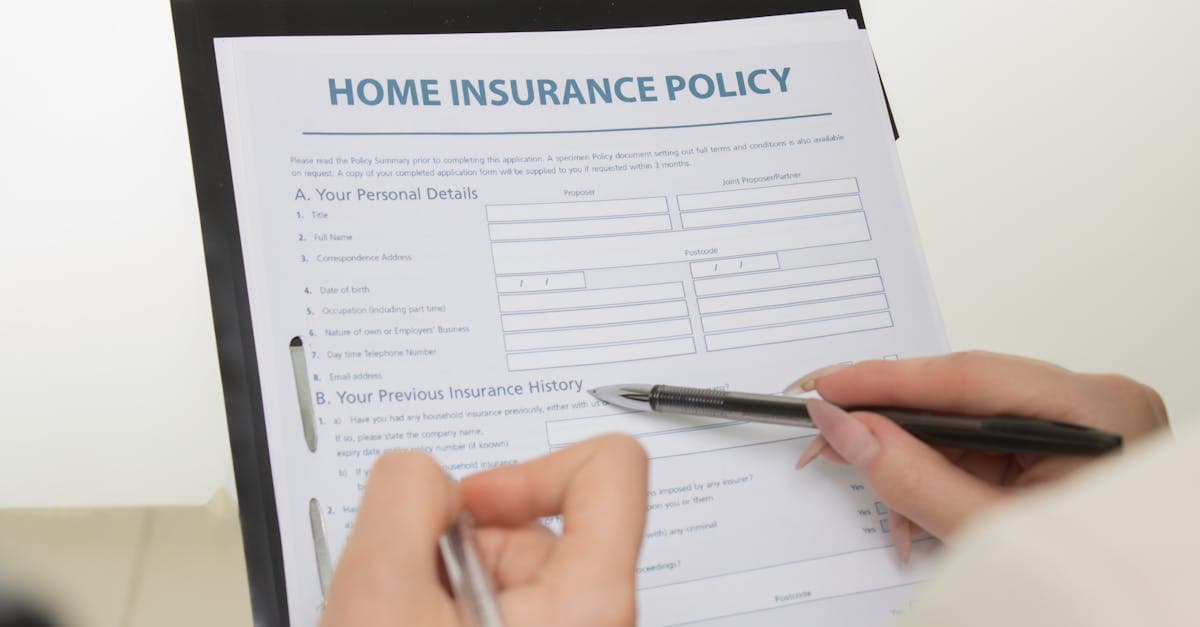
Will You Get a Refund If You Switch Homeowners Insurance Mid-Policy?
When you cancel homeowners insurance mid-term, you are entitled to a refund of the unused premium. Whether the refund is pro-rata or short-rate depends on your policy terms and state regulations.

How to Review Your Coverage Limits Before Homeowners Insurance Renewal
Your dwelling coverage limit is the most important number on your policy. Before renewing, verify that it reflects your home's current replacement cost including any renovations or market-driven construction cost increases.

How Your Claims History Affects Your Homeowners Insurance Premium
Filing even one claim can increase your premium by 10 to 25 percent at renewal. Multiple claims within a few years can lead to even steeper increases or non-renewal. Your claims history is a major premium driver.

How Hurricane Deductibles Differ From Standard Home Insurance Deductibles
Hurricane deductibles are typically percentage-based and much higher than standard flat deductibles. Homeowners in coastal areas must understand these separate deductible structures to avoid financial surprises.

Liability Coverage on Homeowners Insurance: How Much Is Enough?
Standard homeowners policies start with $100,000 in liability coverage, but most insurance professionals recommend at least $300,000 to $500,000. Your liability limit should reflect your net worth and the realistic cost of a serious injury lawsuit.

How Depreciation Reduces Your Homeowners Insurance Payout
Depreciation is the mechanism that makes actual cash value less than replacement cost. Insurers apply it to every component of your home and every item you own, reducing payouts substantially.

Replacement Cost Coverage for Personal Property: Replacing Your Belongings at Today's Prices
Personal property replacement cost coverage pays to replace damaged or destroyed belongings with new items of similar kind and quality. Without this coverage, depreciation reduces the payout on older items.

Personal Property Coverage vs Dwelling Coverage: What Is the Difference?
Dwelling coverage protects your home's structure. Personal property coverage protects everything inside it. Understanding this distinction ensures both your home and belongings are covered.
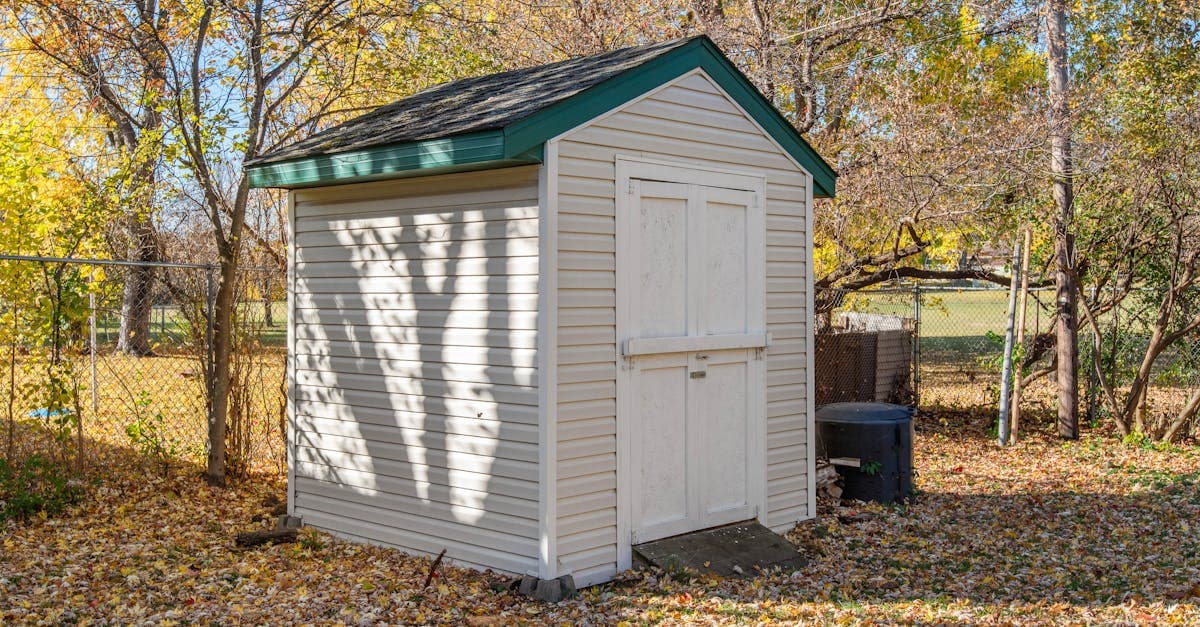
Other Structures Coverage vs Dwelling Coverage: What Is the Difference?
Dwelling coverage protects your main home and attached structures. Other structures coverage protects detached buildings like separate garages, sheds, and fences. Understanding the line matters.

Dwelling Coverage vs Market Value: Why They Are Not the Same Thing
Your home's market value includes land value, location, and market conditions. Your dwelling coverage should reflect rebuilding costs only. Confusing the two leads to coverage gaps.

Understanding Coverage D: Loss of Use on Your Homeowners Insurance
Coverage D on your homeowners policy handles additional living expenses when you cannot live in your home. Knowing how this coverage works prevents financial hardship during an already stressful time.

Personal Liability Insurance: What Every Homeowner Should Know
Personal liability coverage is one of the most important parts of your homeowners policy. Understanding its scope and limits helps you avoid devastating financial exposure.

Are Items in Your Car Covered by Homeowners Insurance?
Personal property stolen from your vehicle is typically covered by homeowners insurance, not auto insurance. Understanding this distinction helps you file claims correctly.
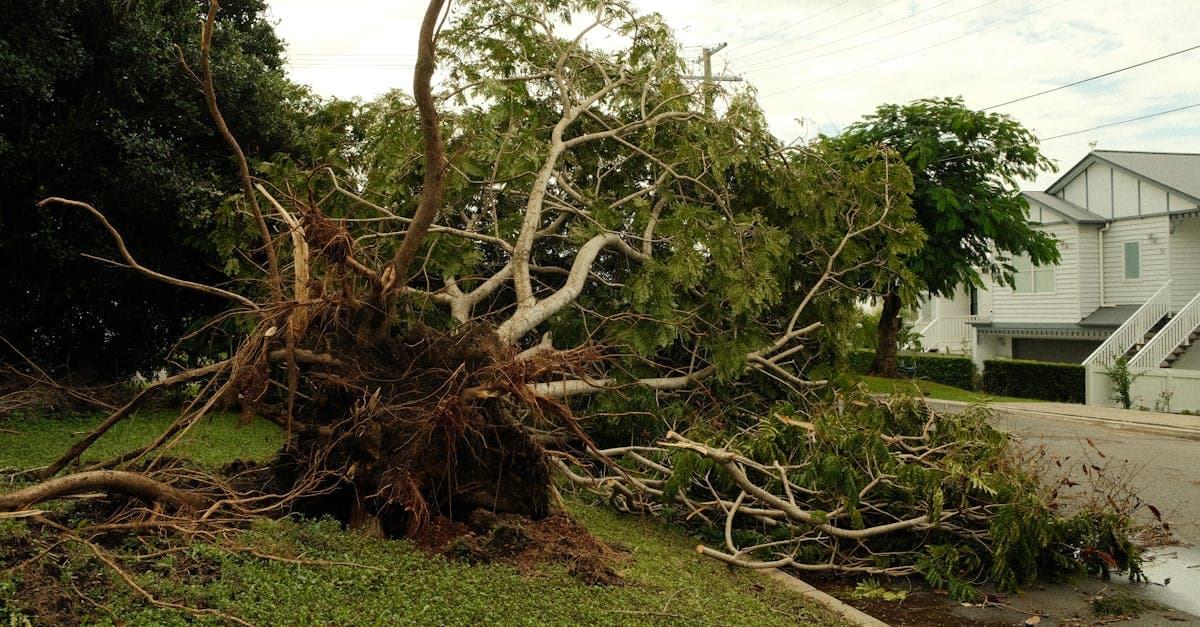
Tree Falls on Your Car: Which Insurance Policy Pays?
Vehicle damage from fallen trees is covered by auto comprehensive insurance, not homeowners. Understanding which policy applies prevents claim filing confusion.

Does Home Insurance Cover Lightning Strikes? What's Included
Homeowners insurance typically covers lightning damage to your home, electronics, and electrical system. See what's included, what's excluded, and how to document a claim.

How Homeowners Insurance Handles Slab Leak Damage
Slab leaks occur when pipes beneath your foundation fail. Coverage depends on what caused the leak and how quickly you discovered the damage.

Why Most Mold Claims Get Denied by Homeowners Insurance
Mold claim denials are extremely common because most mold results from gradual conditions policies exclude. Understanding denial reasons helps you fight back.
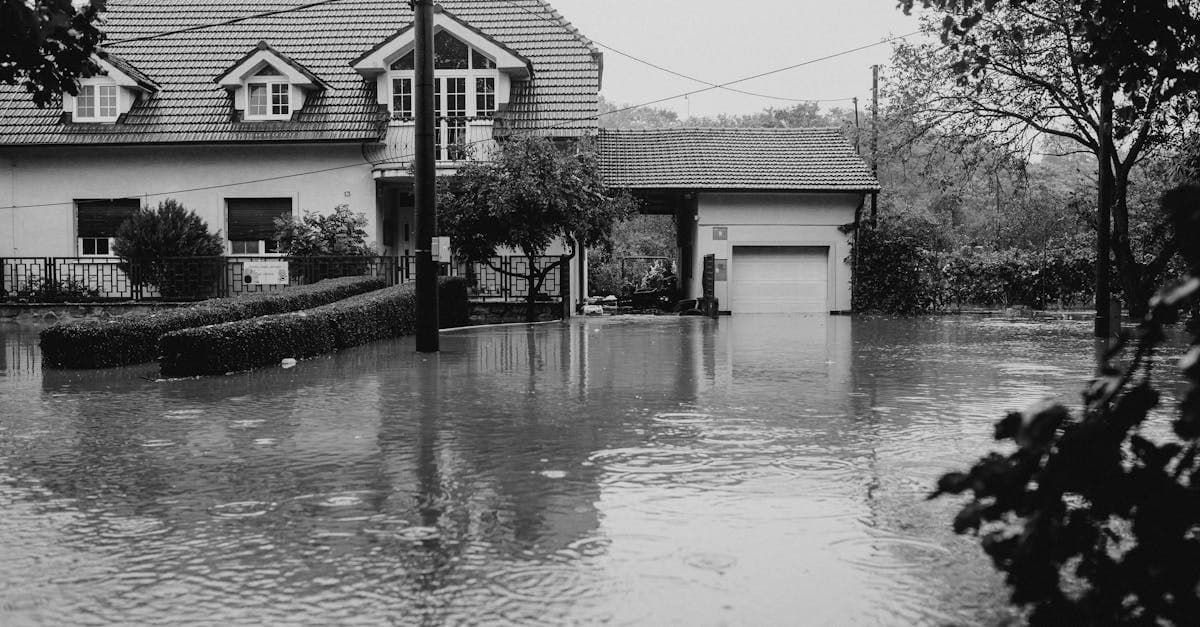
Why Flood Damage Is Not Covered by Standard Homeowners Insurance
The flood exclusion catches more homeowners off guard than any other gap in their policy. Understanding why flood damage requires separate insurance prevents devastating financial surprises.

Why Your Insurance Company Denied Your Roof Leak Claim
Roof leak claim denials are among the most common in homeowners insurance. Understanding the reasons behind denials helps you avoid them and fight back when denials are unjustified.

Earthquake Damage and Homeowners Insurance: The Exclusion That Shakes Finances
Standard homeowners policies exclude earthquake and earth movement damage entirely. Homeowners in seismic zones need separate earthquake insurance to protect their largest investment.

What Personal Property Coverage Actually Protects in Your Home
Personal property coverage protects your belongings from theft, fire, and other covered perils. Understanding coverage limits and sub-limits prevents costly surprises during a claim.

Why Reviewing Your Florida Insurance at Renewal Is Not Enough
Renewal-only reviews miss critical mid-year changes that affect your coverage. Florida drivers who review more frequently save money and avoid costly gaps.

The True Cost of a Florida Car Insurance Lapse
Beyond reinstatement fees, a Florida lapse increases your future premiums, eliminates continuous coverage discounts, and exposes you to devastating financial liability.

Florida Property Damage Liability: The Other Required Coverage
Florida requires $10,000 in property damage liability to cover damage you cause to other people's property. Learn what this coverage pays and why it is rarely enough.

Florida's $10,000 PDL Minimum: Is It Enough Coverage?
Florida requires only $10,000 in Property Damage Liability coverage. For most accidents involving modern vehicles, this minimum falls dangerously short.

Florida PIP and Lost Wages: How Much Income Protection Do You Get?
PIP replaces 60 percent of your lost income when an auto accident prevents you from working. Understanding this benefit helps you plan your financial recovery.

The 14-Day Rule: Why You Must See a Doctor Quickly After a Florida Accident
Florida law requires medical attention within 14 days to access PIP benefits. Missing this deadline can cost you thousands in medical coverage.

What to Do Immediately After Someone Crashes Your Borrowed Car
The first steps after a borrower crashes your car are critical. Knowing what to document and who to call protects your claim and your rights.

How Permissive Use Works in Auto Insurance
Permissive use is the principle that allows your insurance to cover drivers you authorize. Understanding its limits protects both you and your vehicle.

Partial Vehicle Theft: When Thieves Take Parts Instead of the Whole Car
Catalytic converters, wheels, and electronics are common targets for partial theft. Comprehensive insurance covers these losses along with any damage caused during the theft.

Do You Pay a Deductible for Windshield Damage?
In some states, windshield repairs and even replacements come with zero deductible. Learn where your state stands and how to minimize your glass claim costs.

Gap Insurance for Financed Vehicles: Do You Need It?
If you financed your vehicle with a low down payment or long loan term, you likely owe more than the car is worth. Gap insurance protects against this imbalance.

How Long Does Rental Reimbursement Last?
Rental reimbursement has a maximum duration or total dollar cap. Understanding when coverage ends prevents unexpected out-of-pocket rental costs.

Does Roadside Assistance Cover Towing? Distance Limits and Costs
Most roadside plans cover towing to the nearest repair facility. Understanding distance limits, cost caps, and provider networks prevents surprises.

Uninsured Motorist Coverage: Worth It or a Waste of Money?
Some drivers question whether UM coverage is necessary. The data reveals that for most people, it is one of the best insurance values available.

Does Uninsured Motorist Coverage Pay for Vehicle Damage?
Uninsured motorist property damage coverage exists in some states but not all. Understanding what UM covers beyond medical bills prevents surprises.

Does Comprehensive Insurance Cover Weather Damage to Your Car?
Hail, hurricanes, tornadoes, and floods can devastate vehicles. Comprehensive coverage is your financial shield against weather-related damage.

Collision Insurance vs Comprehensive: Key Differences Explained
Collision and comprehensive coverage protect your vehicle in different ways. Knowing the distinction helps you choose the right combination for your situation.

The True Cost of Inadequate Liability Limits After an Accident
When accident damages exceed your liability limits, the excess comes from your personal assets. Understanding this exposure motivates proper limit selection.

What Does Full Coverage Actually Cover? A Complete Breakdown
Full coverage typically combines three to six coverage types into one policy. Understanding each component reveals what's protected and what isn't.

Understanding Auto Insurance: What It Covers and Why It Matters
Auto insurance is a complex product with multiple coverage types. Understanding each one helps you build protection that actually matches your real-world risks.

Why Most People Ask the Wrong Questions When Buying Insurance
Focusing on price alone leads to inadequate coverage. Learn which questions actually matter and why they predict your future satisfaction.

The Insurance Policy Review Checklist: Everything to Check Every Year
From coverage limits to deductibles to beneficiaries to discounts, this comprehensive checklist ensures nothing falls through the cracks at your annual review.

Understanding Your Insurance Rate Increase: A Policyholder's Guide
Before you call your agent in frustration, understand the mechanics behind rate increases. Knowledge gives you negotiating power.

Why Filing Every Claim Can Actually Cost You More
Insurance is designed for catastrophic losses, not minor inconveniences. Using it too often can price you out of the coverage you need most.

Understanding the True Cost of Filing an Insurance Claim
Between premium increases, potential non-renewal, and CLUE report entries, filing a claim has costs beyond your deductible that deserve consideration.

How Insurance Adjusters Evaluate Your Claim
Understanding the adjuster's process, priorities, and decision-making framework helps you prepare a stronger, more complete claim.

Rider vs Endorsement: Is There a Difference?
While riders and endorsements serve similar functions, the terminology varies by insurance type. Both modify your base policy to customize your protection.

Why Insurance Policies Have Exclusions
Exclusions are not arbitrary — they serve specific purposes in risk management and pricing. Understanding why they exist helps you navigate them.

How Depreciation Reduces Your Insurance Payout
Depreciation is the mechanism that makes actual cash value less than replacement cost. Understanding how insurers calculate it helps you anticipate your claim payment.
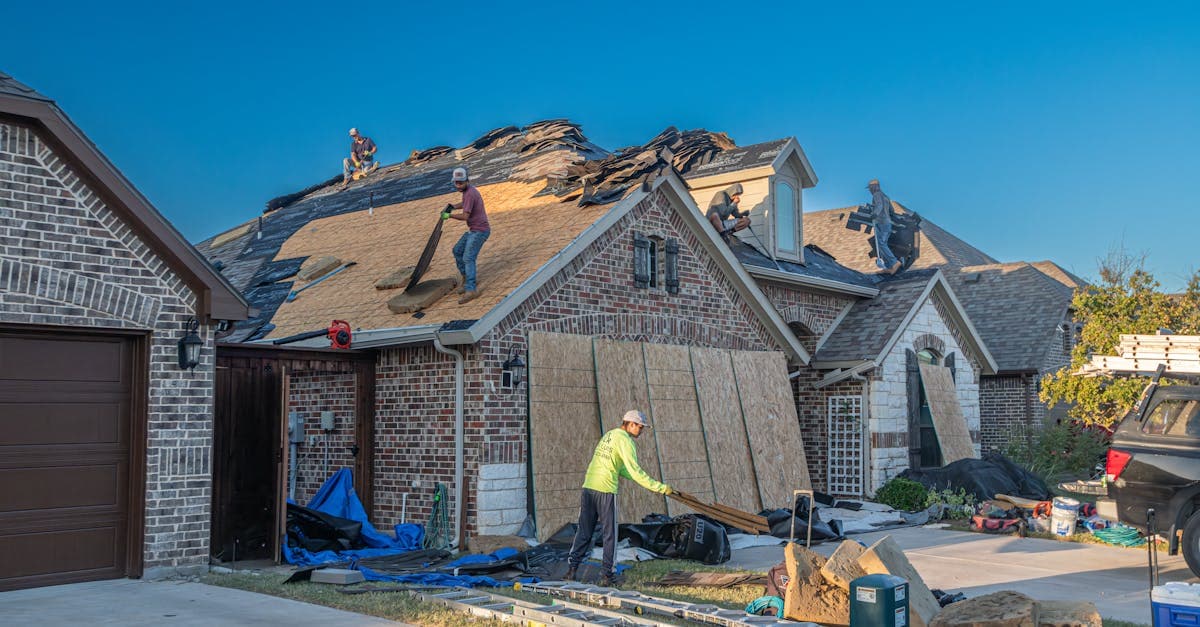
How Replacement Cost Coverage Protects Your Home
Replacement cost coverage ensures you can rebuild your home at current construction prices, not what you paid for it years ago.

Coverage Limits Explained: How Much Protection Do You Actually Have?
Your coverage limit is the maximum your insurer will pay for a covered loss. Choosing the right limit is one of the most important insurance decisions you make.

Understanding Your Insurance Premium: A Complete Guide
Your premium is the single largest recurring insurance cost you pay. This guide breaks down what it is, what affects it, and how to manage it.

Reading Your Dec Page: A Complete Guide for Policyholders
Your declarations page is the key to understanding exactly what you are paying for and what your insurance will cover. Here is how to read every line.

What Is a Deductible and Why Does It Matter?
Before your insurance pays a dime, you pay your deductible. Understanding this simple concept can save you thousands.
Coverage Under Conditions: How Risk Factors Determine What Your Insurance Will Pay
Insurance coverage isn't unconditional. The risk factors in your life — from your zip code to your credit score — directly shape what your policy covers and how much you'll receive in a claim.
