Tree Falls on Your Car: Which Insurance Policy Pays?

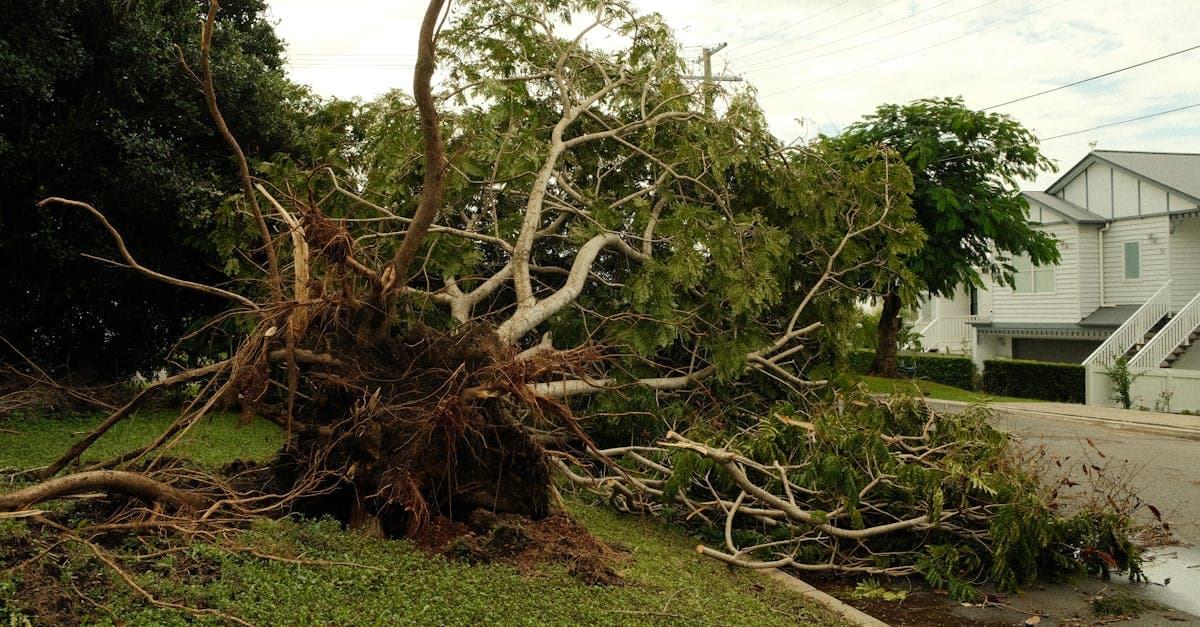
Fallen tree coverage is surrounded by myths that lead homeowners to make wrong assumptions about their protection. Let us correct the most common misconceptions before they cost you money.
Myth one: if your neighbor's tree falls on your house, their insurance pays for your damage. False in most cases. Your homeowners insurance covers damage to your property regardless of where the tree originated. Your neighbor is generally not liable for storm-felled trees unless the tree was dead or diseased and they were notified of the hazard.
Myth two: your insurance pays to remove any tree that falls on your property. Not always. Most policies only cover tree removal when the tree damaged a covered structure or is blocking a driveway or accessibility ramp. A tree that simply falls in your yard without hitting anything is typically your expense to remove.
Myth three: your homeowners insurance covers tree damage to your car. False. Vehicle damage from fallen trees is an auto insurance comprehensive claim, not a homeowners claim. You need comprehensive coverage on your auto policy for this protection.
Myth four: the insurance company will replace your trees. Coverage for replacing destroyed trees is extremely limited — typically $500 per tree with an aggregate cap of five to ten percent of your dwelling coverage. Replacing a mature ornamental tree can cost far more than this limit.
Your homeowners insurance is the structural backup plan that holds your finances together when timber crashes through your roof. It provides real and valuable protection against fallen tree damage, but only when you understand its boundaries and plan accordingly.
Tree Damage to Detached Structures
The fix is straightforward. Detached garages, sheds, workshops, gazebos, and other non-dwelling structures on your property are covered under Coverage B — other structures — when damaged by fallen trees. This coverage has its own limits and rules separate from your dwelling coverage.
Coverage B limits: Other structures coverage is typically ten percent of your dwelling coverage amount. On a $300,000 dwelling, that provides $30,000 for all other structures combined. If you have multiple detached structures and a tree damages several of them, the total claim for all other structures cannot exceed this limit.
What qualifies as other structures: Detached garages, storage sheds, tool sheds, workshops, gazebos, pergolas, pool houses, detached decks, fences, retaining walls, and similar structures all fall under Coverage B. The common requirement is that the structure is detached from your dwelling and located on your property.
Attached vs detached distinction: Structures physically attached to your dwelling — including attached garages, covered porches, and sunrooms — are part of your dwelling coverage, not other structures. This distinction matters because dwelling coverage has higher limits and may have different valuation terms.
Replacement cost vs ACV: Your other structures coverage may use a different valuation method than your dwelling coverage. Check your policy to determine whether detached structures are valued at replacement cost or actual cash value. This affects whether depreciation reduces your settlement.
Business use exclusion: If a detached structure is used for business purposes — such as renting it out or operating a commercial activity — it may be excluded from your homeowners other structures coverage. Business-use structures typically need commercial property insurance or a specific endorsement.
Your Liability When Trees Fall on Others' Property
Here is what you actually need to do. When a tree from your property falls onto a neighbor's home, car, or other property, the question of your liability depends on whether you were negligent in maintaining the tree. Understanding these rules protects you both financially and legally.
No liability for healthy trees in storms: If a healthy, well-maintained tree on your property falls during a storm and damages your neighbor's home, you are generally not liable. The storm is the cause of the damage, and storms are acts of nature outside your control. Your neighbor's homeowners insurance covers their damage.
Liability for known hazardous trees: If your tree was dead, severely diseased, or visibly hazardous and you failed to remove it, you may be negligent. If a neighbor notified you in writing that the tree appeared dangerous and you took no action, the evidence of negligence strengthens. In this scenario, your liability coverage under your homeowners policy may need to respond to your neighbor's claim.
How liability coverage works: Your homeowners policy includes personal liability coverage — typically $100,000 to $300,000 — that covers you when you are legally liable for damage to others' property. If your negligence in maintaining a hazardous tree leads to damage, this coverage pays your neighbor's repair costs up to your liability limit.
Protecting yourself proactively: Maintain your trees regularly, remove known hazards promptly, and respond to any neighbor concerns about tree condition. If a neighbor raises concerns, have the tree professionally inspected and follow the arborist's recommendations. Keep documentation of all inspections, maintenance, and communications.
When injuries occur: If a person is injured by a tree falling from your property, the liability stakes increase dramatically. Personal injury claims can far exceed property damage amounts. This scenario reinforces the importance of removing known hazardous trees — the potential liability from an injury far exceeds any removal cost.
Replacing Landscaping After Tree Damage
Here is what you actually need to do. When fallen trees destroy landscaping, homeowners are often surprised by how little their insurance covers for replacement. Understanding landscaping limits before a loss helps you set realistic expectations and consider supplemental strategies.
Per-tree replacement limits: Most homeowners policies limit tree and shrub replacement to $500 per item. This flat limit applies whether the destroyed tree was a ten-dollar sapling or a hundred-year-old specimen oak. A mature ornamental tree that would cost $5,000 to $10,000 to replace with a comparable specimen receives only $500 under standard coverage.
Aggregate landscaping limits: Beyond the per-item cap, your policy typically limits total landscaping recovery to five or ten percent of your dwelling coverage. On a $300,000 home, that means $15,000 to $30,000 total for all landscaping damage — but the per-item limit of $500 makes this aggregate cap largely academic.
What qualifies as landscaping: Trees, shrubs, plants, and lawns damaged by covered events qualify within the stated limits. Landscaping must have been damaged by a covered peril such as fire, lightning, explosion, riot, aircraft, or vehicles. Notably, many policies exclude wind and hail from landscaping coverage, meaning storm-felled trees that destroy your garden may not trigger landscaping replacement coverage.
The reality gap: A homeowner with a beautifully landscaped property containing mature trees and extensive plantings faces a massive gap between replacement cost and insurance coverage. This gap is one of the least-discussed shortcomings of standard homeowners policies.
Practical approaches: Accept that insurance provides minimal landscaping replacement. Budget for landscaping recovery separately from insurance coverage. Consider replanting with smaller, less expensive specimens and allowing them to mature naturally. Focus insurance claims on structural and personal property damage where coverage is more robust.
Temporary Housing After Tree Damage
The fix is straightforward. When a fallen tree causes sufficient damage to make your home uninhabitable, your policy's additional living expenses coverage provides financial support for temporary housing and related costs while repairs are completed.
When ALE applies to tree damage: If a tree crashes through your roof creating an opening that cannot be quickly secured, or if structural damage makes the home unsafe to occupy, ALE coverage activates. The key requirement is that the home is genuinely uninhabitable due to covered damage — not merely inconvenient.
What ALE covers: The additional costs of living elsewhere beyond your normal expenses are covered. Hotel or rental housing costs, restaurant meals above your normal food budget, laundry services, additional commuting costs, and storage for personal property removed from the damaged home are all eligible expenses.
Coverage limits and duration: ALE is typically limited to twenty percent of your dwelling coverage and has a time limit of twelve to twenty-four months. For tree damage, repairs usually take weeks to a few months — well within these limits. However, if multiple homes in your area were damaged simultaneously and contractor availability is limited, repair timelines can extend.
Documentation requirements: Keep detailed receipts for all additional expenses while displaced. The insurer compares your claimed expenses against your normal living costs to determine the covered difference. Without receipts, you cannot substantiate your additional expenses.
Coordinating with repairs: Stay in communication with both your insurer and your repair contractor about the expected repair timeline. If repairs will take longer than initially estimated, notify your insurer promptly to ensure ALE coverage continues without interruption.
Replacing Landscaping After Tree Damage
Here is what you actually need to do. When fallen trees destroy landscaping, homeowners are often surprised by how little their insurance covers for replacement. Understanding landscaping limits before a loss helps you set realistic expectations and consider supplemental strategies.
Per-tree replacement limits: Most homeowners policies limit tree and shrub replacement to $500 per item. This flat limit applies whether the destroyed tree was a ten-dollar sapling or a hundred-year-old specimen oak. A mature ornamental tree that would cost $5,000 to $10,000 to replace with a comparable specimen receives only $500 under standard coverage.
Aggregate landscaping limits: Beyond the per-item cap, your policy typically limits total landscaping recovery to five or ten percent of your dwelling coverage. On a $300,000 home, that means $15,000 to $30,000 total for all landscaping damage — but the per-item limit of $500 makes this aggregate cap largely academic.
What qualifies as landscaping: Trees, shrubs, plants, and lawns damaged by covered events qualify within the stated limits. Landscaping must have been damaged by a covered peril such as fire, lightning, explosion, riot, aircraft, or vehicles. Notably, many policies exclude wind and hail from landscaping coverage, meaning storm-felled trees that destroy your garden may not trigger landscaping replacement coverage.
The reality gap: A homeowner with a beautifully landscaped property containing mature trees and extensive plantings faces a massive gap between replacement cost and insurance coverage. This gap is one of the least-discussed shortcomings of standard homeowners policies.
Practical approaches: Accept that insurance provides minimal landscaping replacement. Budget for landscaping recovery separately from insurance coverage. Consider replanting with smaller, less expensive specimens and allowing them to mature naturally. Focus insurance claims on structural and personal property damage where coverage is more robust.
Temporary Housing After Tree Damage
The fix is straightforward. When a fallen tree causes sufficient damage to make your home uninhabitable, your policy's additional living expenses coverage provides financial support for temporary housing and related costs while repairs are completed.
When ALE applies to tree damage: If a tree crashes through your roof creating an opening that cannot be quickly secured, or if structural damage makes the home unsafe to occupy, ALE coverage activates. The key requirement is that the home is genuinely uninhabitable due to covered damage — not merely inconvenient.
What ALE covers: The additional costs of living elsewhere beyond your normal expenses are covered. Hotel or rental housing costs, restaurant meals above your normal food budget, laundry services, additional commuting costs, and storage for personal property removed from the damaged home are all eligible expenses.
Coverage limits and duration: ALE is typically limited to twenty percent of your dwelling coverage and has a time limit of twelve to twenty-four months. For tree damage, repairs usually take weeks to a few months — well within these limits. However, if multiple homes in your area were damaged simultaneously and contractor availability is limited, repair timelines can extend.
Documentation requirements: Keep detailed receipts for all additional expenses while displaced. The insurer compares your claimed expenses against your normal living costs to determine the covered difference. Without receipts, you cannot substantiate your additional expenses.
Coordinating with repairs: Stay in communication with both your insurer and your repair contractor about the expected repair timeline. If repairs will take longer than initially estimated, notify your insurer promptly to ensure ALE coverage continues without interruption.
Your Rights in Fallen Tree Claims
As a consumer filing a fallen tree damage claim, you have important rights that protect your interests throughout the process.
You have the right to choose your own contractors for both tree removal and structural repairs. Your insurer may recommend companies, but the choice is yours. Select qualified professionals with proper licensing and insurance.
You have the right to dispute the claim settlement amount. If the adjuster's estimate does not cover the full repair cost, present contractor estimates that support a higher figure. You can request re-inspection of damage areas the adjuster may have missed.
You have the right to understand exactly how your per-tree removal limits and other sublimits were applied. Request an itemized breakdown of the claim settlement showing what each payment covers.
You have the right to file a complaint with your state insurance department if you believe your claim is being handled unfairly. Regulatory oversight exists to protect consumers, and exercising this right is appropriate when legitimate disputes cannot be resolved directly.
Knowledge is your most powerful consumer tool. Understanding your coverage before you need to use it puts you in the strongest possible position.
Continue reading

Why the Cheapest Insurance Quote Could Cost You the Most
A low premium often hides higher deductibles, lower coverage limits, and broader exclusions that leave you exposed when damage occurs. Understanding total cost of coverage reveals the true price of cheap insurance.
How to Conduct a Policy Checkup With Your Insurance Agent
A productive policy checkup with your agent covers coverage limits, deductibles, endorsements, discounts, and life changes. Preparing for the meeting ensures you address every important issue.

The Risks of Signing an Assignment of Benefits After Property Damage
Signing an AOB can speed up repairs but also removes your control over the claim. Understanding the risks helps you decide whether an AOB agreement is right for your situation.