How Much Does Flood Insurance Cost for Renters?

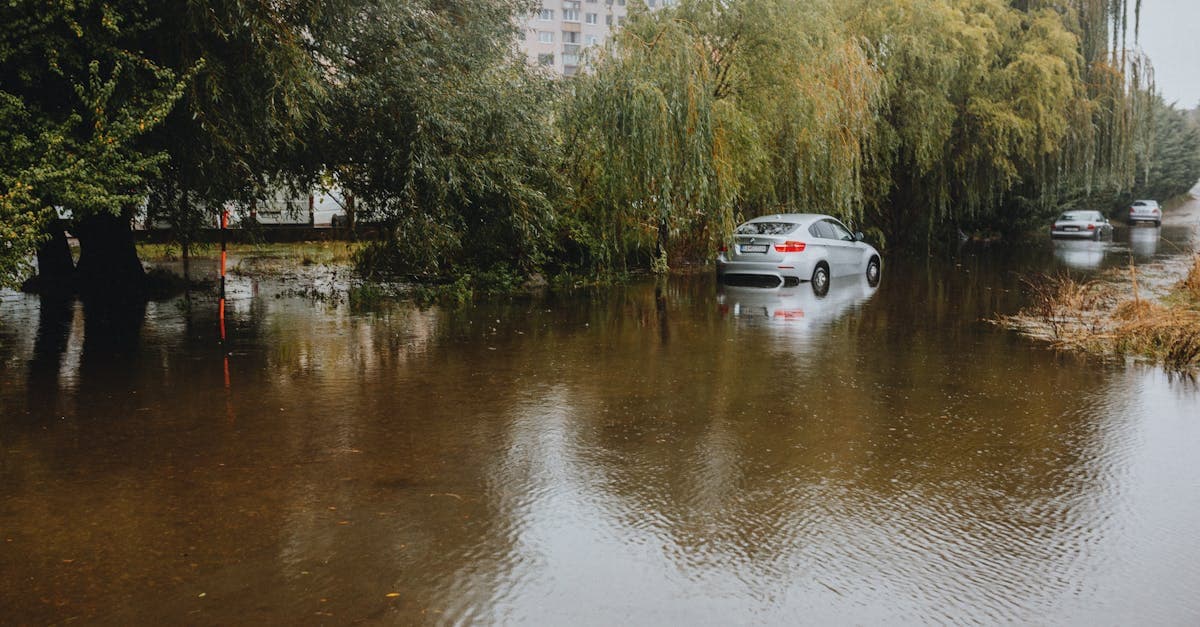
Dangerous myths about renters and flood insurance prevent millions of tenants from protecting their belongings against one of the most destructive perils they face. Let us correct the most harmful misconceptions right now.
Myth one: renters cannot buy flood insurance. Completely false. The NFIP offers contents-only flood policies specifically designed for renters, and private flood insurers offer similar products. Any renter in any flood zone can purchase flood coverage for their personal belongings.
Myth two: renters insurance covers flood damage. It never does. Every standard renters insurance policy contains a clear flood exclusion. Rising water, storm surge, and surface runoff damage to your belongings is not covered — period.
Myth three: the landlord's insurance covers the tenant's belongings. It does not. A landlord's flood insurance — if they even carry it — covers only the building structure and the landlord's property. Your furniture, electronics, and personal items are your responsibility.
Myth four: flood insurance is too expensive for renters. Contents-only policies are among the most affordable insurance products available. Renters in low-risk zones may pay under $100 per year. Even high-risk zone premiums for contents-only coverage are a fraction of what building-plus-contents policies cost.
Flood insurance for renters is the protective wall renters build around their personal property when the landlord's insurance covers only the building structure. These myths leave millions of tenants unnecessarily exposed to flood damage that could be covered by an affordable policy most renters simply do not know about.
Lease Agreements and Legal Considerations for Renters Flood Insurance
The fix is straightforward. The intersection of lease agreements, landlord obligations, and tenant flood insurance creates legal considerations that renters should understand before and after signing a lease.
Lease requirements for flood insurance: Some landlords include flood insurance requirements in lease agreements, particularly for properties in high-risk flood zones. These provisions may require tenants to carry a minimum amount of contents flood coverage and provide proof of insurance to the landlord.
Landlord disclosure obligations: In many jurisdictions, landlords must disclose known flooding history and flood zone information to prospective tenants. If your landlord fails to disclose that the property has a history of flooding, this may affect your legal rights and recovery options after a flood.
Tenant rights after a flood: State and local laws govern tenant rights when a rental property becomes uninhabitable due to flooding. These laws may address lease termination, rent abatement, security deposit return, and the landlord's obligation to repair flood damage to the structure. Understand your jurisdiction's landlord-tenant laws before a flood occurs.
Liability considerations: If a landlord knew about flood risk and failed to disclose it, or failed to maintain flood mitigation systems, the tenant may have legal claims beyond what insurance covers. However, legal recovery is uncertain and slow — insurance provides immediate, reliable financial protection.
Renters in federally assisted housing: Tenants in federally assisted housing — including public housing, Section 8, and other subsidized programs — may have specific flood insurance provisions in their lease agreements. Some federal housing programs encourage or require tenant flood coverage in high-risk areas.
Documenting everything: Keep copies of your lease agreement, any flood-related disclosures, your flood insurance policy, and correspondence with your landlord about flood risk and insurance. This documentation protects your interests and supports both insurance claims and any legal actions after a flood.
Risk Rating 2.0: How FEMA's New Pricing Affects Renters
Here is what you actually need to do. FEMA's Risk Rating 2.0 methodology changes how flood insurance premiums are calculated for all policyholders, including renters with contents-only policies. Understanding these changes helps renters anticipate their costs and find the best value.
What changed for renters: Under the legacy rating system, contents-only premiums were based primarily on the FEMA flood zone. Risk Rating 2.0 incorporates individual property characteristics including flood frequency, flood types, distance to water, property elevation, and replacement cost of covered contents.
More accurate pricing: Risk Rating 2.0 aims to produce premiums that more accurately reflect each property's actual flood risk. For renters, this means two apartments in the same city block might have different premiums based on their specific risk characteristics — a fairer approach than blanket zone-based pricing.
Potential premium changes: Some renters will see premiums decrease under Risk Rating 2.0 because their property's actual risk is lower than the zone-based rate suggested. Others may see increases because their property is closer to water or at lower elevation than the zone average.
Annual increase caps: FEMA caps annual premium increases at 18 percent for most policyholders. This prevents sudden large increases and gives renters time to adjust budgets or shop for private alternatives if NFIP premiums increase significantly.
Shopping becomes more important: With Risk Rating 2.0 producing more granular pricing, the premium difference between NFIP and private flood insurers may vary more than under the old system. Renters should compare quotes from both sources to find the best combination of coverage and price for their specific property.
The bottom line for renters: Risk Rating 2.0 makes flood insurance pricing more individualized and more equitable. For most renters, contents-only premiums remain affordable. The best way to understand your specific cost is to request a current quote from both an NFIP-participating insurer and a private flood insurance provider.
How Much Does Renters Flood Insurance Really Cost?
Here is what you actually need to do. The cost of flood insurance for renters is often the most surprising element of the conversation — because contents-only policies are far more affordable than most tenants assume.
Low-risk zone premiums: Renters in FEMA Zone X — moderate to minimal risk areas — often pay the lowest contents-only premiums. Annual costs can range from $50 to $200 depending on coverage amounts and deductibles. At these rates, flood insurance costs less per month than most streaming subscriptions.
Moderate-risk zone premiums: Renters in areas with moderate flood risk typically pay $200 to $500 per year for contents-only coverage. These premiums reflect slightly higher exposure but remain affordable relative to the protection provided.
High-risk zone premiums: Renters in FEMA Zone A or Zone V pay higher premiums that reflect the elevated risk. Contents-only policies in high-risk zones may cost $500 to $1,000 or more annually, depending on coverage and property characteristics. Even at these levels, premiums are a fraction of what building-plus-contents policies cost.
Factors that affect your premium: Under Risk Rating 2.0, your premium is influenced by the specific flood risk at your rental address, including distance to water, elevation, flood frequency, and flood type. Your selected coverage amount and deductible also directly affect premium levels.
Ways to reduce your premium: Choose a higher deductible to lower annual premiums. Select a coverage amount that matches your actual belongings value rather than automatically choosing the maximum. Ask about Community Rating System discounts if your city participates. And compare NFIP quotes with private flood insurance options.
The cost-benefit analysis: A $200 annual premium provides up to $100,000 in coverage. One significant flood event destroys $15,000 to $40,000 in a renter's personal property. The insurance pays for itself many times over with a single claim. Even renters who never file a claim pay a modest price for continuous peace of mind against a devastating loss.
Common Mistakes Renters Make With Flood Insurance
The fix is straightforward. Renters who understand the most common mistakes around flood insurance can avoid them and ensure their belongings are properly protected when floodwater arrives.
Mistake one — assuming renters insurance covers floods: This is the most dangerous and most common mistake. Every standard renters policy excludes flood damage. Renters who assume they are covered discover their error only after filing a claim that is denied. Read your renters policy's exclusions section to confirm the flood exclusion.
Mistake two — relying on the landlord's insurance: A landlord's flood insurance covers the building structure and the landlord's property. It pays nothing for a tenant's furniture, electronics, or personal items. Your belongings are your responsibility, and only your own contents-only flood policy protects them.
Mistake three — waiting until a flood threatens to buy coverage: The NFIP's 30-day waiting period means coverage purchased after a flood watch or warning will not be active in time. Renters must purchase proactively during calm weather, ideally before flood season begins.
Mistake four — underinsuring belongings: Many renters underestimate the total value of their personal property. A careful room-by-room inventory typically reveals $15,000 to $40,000 or more in belongings. Selecting a coverage amount below your actual total leaves you partially uninsured after a significant loss.
Mistake five — not documenting belongings before a flood: Without pre-flood documentation, renters struggle to recall and prove what they owned. This leads to incomplete claims and lower payments. Photograph your belongings, save receipts, and maintain a written inventory before any flood occurs.
Mistake six — letting coverage lapse: Renters who cancel flood insurance to save money and plan to repurchase later face a new 30-day waiting period. Continuous coverage ensures protection is always active. The savings from a few months without premiums disappear instantly if flooding occurs during the gap.
How Much Does Renters Flood Insurance Really Cost?
Here is what you actually need to do. The cost of flood insurance for renters is often the most surprising element of the conversation — because contents-only policies are far more affordable than most tenants assume.
Low-risk zone premiums: Renters in FEMA Zone X — moderate to minimal risk areas — often pay the lowest contents-only premiums. Annual costs can range from $50 to $200 depending on coverage amounts and deductibles. At these rates, flood insurance costs less per month than most streaming subscriptions.
Moderate-risk zone premiums: Renters in areas with moderate flood risk typically pay $200 to $500 per year for contents-only coverage. These premiums reflect slightly higher exposure but remain affordable relative to the protection provided.
High-risk zone premiums: Renters in FEMA Zone A or Zone V pay higher premiums that reflect the elevated risk. Contents-only policies in high-risk zones may cost $500 to $1,000 or more annually, depending on coverage and property characteristics. Even at these levels, premiums are a fraction of what building-plus-contents policies cost.
Factors that affect your premium: Under Risk Rating 2.0, your premium is influenced by the specific flood risk at your rental address, including distance to water, elevation, flood frequency, and flood type. Your selected coverage amount and deductible also directly affect premium levels.
Ways to reduce your premium: Choose a higher deductible to lower annual premiums. Select a coverage amount that matches your actual belongings value rather than automatically choosing the maximum. Ask about Community Rating System discounts if your city participates. And compare NFIP quotes with private flood insurance options.
The cost-benefit analysis: A $200 annual premium provides up to $100,000 in coverage. One significant flood event destroys $15,000 to $40,000 in a renter's personal property. The insurance pays for itself many times over with a single claim. Even renters who never file a claim pay a modest price for continuous peace of mind against a devastating loss.
Common Mistakes Renters Make With Flood Insurance
The fix is straightforward. Renters who understand the most common mistakes around flood insurance can avoid them and ensure their belongings are properly protected when floodwater arrives.
Mistake one — assuming renters insurance covers floods: This is the most dangerous and most common mistake. Every standard renters policy excludes flood damage. Renters who assume they are covered discover their error only after filing a claim that is denied. Read your renters policy's exclusions section to confirm the flood exclusion.
Mistake two — relying on the landlord's insurance: A landlord's flood insurance covers the building structure and the landlord's property. It pays nothing for a tenant's furniture, electronics, or personal items. Your belongings are your responsibility, and only your own contents-only flood policy protects them.
Mistake three — waiting until a flood threatens to buy coverage: The NFIP's 30-day waiting period means coverage purchased after a flood watch or warning will not be active in time. Renters must purchase proactively during calm weather, ideally before flood season begins.
Mistake four — underinsuring belongings: Many renters underestimate the total value of their personal property. A careful room-by-room inventory typically reveals $15,000 to $40,000 or more in belongings. Selecting a coverage amount below your actual total leaves you partially uninsured after a significant loss.
Mistake five — not documenting belongings before a flood: Without pre-flood documentation, renters struggle to recall and prove what they owned. This leads to incomplete claims and lower payments. Photograph your belongings, save receipts, and maintain a written inventory before any flood occurs.
Mistake six — letting coverage lapse: Renters who cancel flood insurance to save money and plan to repurchase later face a new 30-day waiting period. Continuous coverage ensures protection is always active. The savings from a few months without premiums disappear instantly if flooding occurs during the gap.
Your Rights and Options as a Renter Seeking Flood Insurance
As a renter, you have the right to purchase flood insurance regardless of your flood zone, regardless of your landlord's insurance status, and regardless of whether your lease requires it. This is your decision and your protection.
You have multiple options. The NFIP offers standardized contents-only policies with predictable terms and government backing. Private flood insurers offer potentially broader coverage with features like replacement cost valuation and additional living expenses. Shopping between both sources ensures you find the best value.
Your insurance agent should be able to explain both NFIP and private options for renters. If your agent dismisses flood insurance for renters or claims you cannot purchase it, seek a second opinion from an agent who understands the contents-only market.
The most empowered renters are those who understand the gap in their renters insurance, know that affordable flood coverage exists, and make an informed decision about whether to purchase it. You now have that understanding — the rest is up to you.
Continue reading

Why the Cheapest Insurance Quote Could Cost You the Most
A low premium often hides higher deductibles, lower coverage limits, and broader exclusions that leave you exposed when damage occurs. Understanding total cost of coverage reveals the true price of cheap insurance.
How to Conduct a Policy Checkup With Your Insurance Agent
A productive policy checkup with your agent covers coverage limits, deductibles, endorsements, discounts, and life changes. Preparing for the meeting ensures you address every important issue.

The Risks of Signing an Assignment of Benefits After Property Damage
Signing an AOB can speed up repairs but also removes your control over the claim. Understanding the risks helps you decide whether an AOB agreement is right for your situation.