Why Standard Homeowners Insurance Excludes Flood Damage

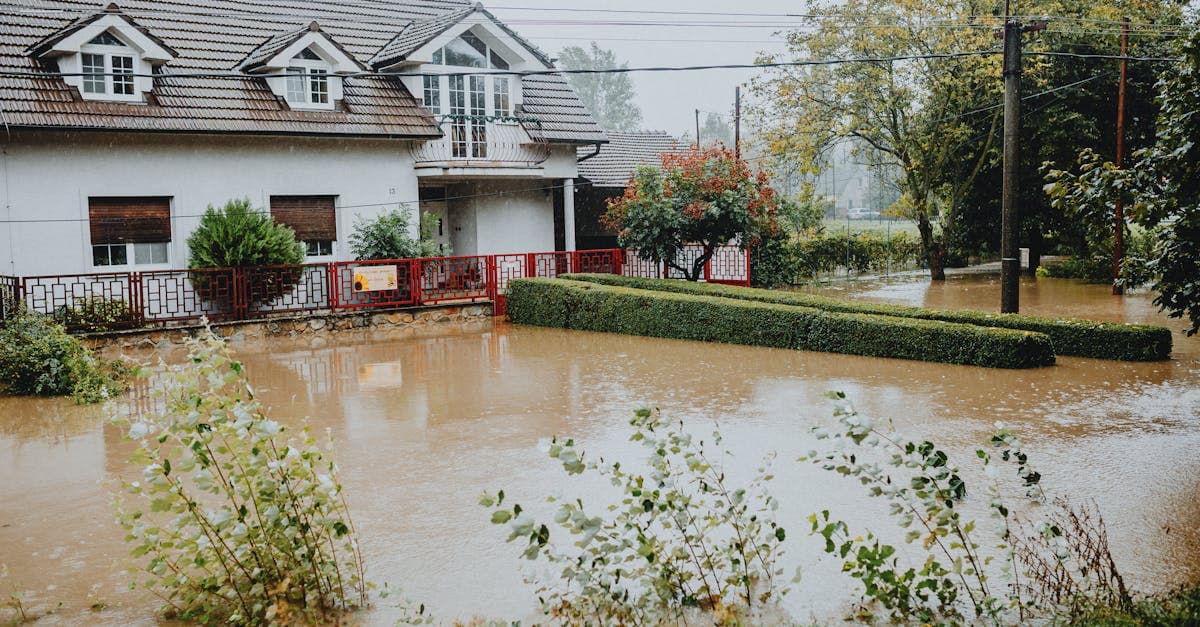
Dangerous myths about homeowners insurance and flood damage leave millions of families exposed to catastrophic losses. Let us correct the most harmful misconceptions before they cost you everything.
Myth one: homeowners insurance covers flood damage. It never has and it never will. Every standard homeowners policy in the United States contains an explicit flood exclusion. This exclusion applies to every homeowner in every flood zone with every insurer.
Myth two: if you live far from water, you will never flood. Over 25 percent of flood claims come from outside FEMA high-risk zones. Heavy rainfall, poor drainage, and development changes cause flooding anywhere, regardless of proximity to rivers or coasts.
Myth three: the government will pay for your flood damage. Federal disaster assistance requires a presidential disaster declaration, averages only about $5,000, and typically comes as a loan — not a grant. It is not a substitute for insurance.
Myth four: flood insurance is too expensive. NFIP Preferred Risk Policies for homes in low-risk zones can cost a few hundred dollars per year. Even standard NFIP policies average less than $1,000 annually — a fraction of potential flood damage costs.
Myth five: you can buy flood insurance when a storm is coming. NFIP policies have a 30-day waiting period. By the time you see a flood threat, it is too late to purchase protection.
Understanding the truth is the load-bearing wall that prevents the entire financial structure from collapsing when floodwater pushes against the foundation of your standard coverage. These myths collectively create the conditions for financial devastation that separate flood insurance would prevent.
FEMA Flood Zones and What They Mean for Your Insurance
The fix is straightforward. FEMA flood zone designations affect your flood insurance requirements, premiums, and risk awareness. Understanding these zones helps you evaluate your flood exposure and coverage needs.
High-risk zones (A and V): Zone A and its variants (AE, AH, AO, AR, A99) indicate areas with a 1 percent or greater annual chance of flooding — often called the 100-year floodplain. Zone V and VE are coastal high-risk zones with additional wave action hazard. Flood insurance is mandatory for federally backed mortgages in these zones.
Moderate-risk zones (B and Shaded X): Zone B and Shaded Zone X indicate areas with a 0.2 percent annual chance of flooding — the 500-year floodplain. Flood insurance is not required by lenders but is recommended. NFIP Preferred Risk Policies are available at reduced rates.
Low-risk zones (C and Unshaded X): Zone C and Unshaded Zone X indicate minimal flood risk areas outside the 500-year floodplain. Flood insurance is not required but is available. More than 25 percent of flood claims come from these supposedly low-risk areas.
How zones affect premiums: Your flood zone directly influences your premium. High-risk zone properties pay higher rates, while moderate and low-risk zone properties may qualify for Preferred Risk Policies at significantly lower premiums. Under Risk Rating 2.0, individual property characteristics also affect pricing within zones.
Zone changes and reclassification: FEMA periodically updates flood maps, and your property's zone can change. Reclassification from a low-risk to a high-risk zone triggers mandatory insurance requirements and potentially higher premiums. Purchasing flood insurance before reclassification may preserve lower rates.
The critical reminder: Your FEMA flood zone affects your flood insurance requirements and pricing, but it does not affect the flood exclusion in your homeowners policy. Your homeowners insurance excludes flood damage whether you are in Zone A, Zone X, or any other designation. The flood exclusion is universal.
Flood Mitigation: Reducing Your Risk Beyond Insurance Coverage
Here is what you actually need to do. While flood insurance provides financial protection after flooding, physical mitigation measures reduce the likelihood and severity of flood damage. The most effective strategy combines insurance with prevention.
Proper grading and drainage: Ensure the ground slopes away from your foundation at a minimum of one inch per foot for the first six feet. Proper grading directs surface water away from your home and reduces foundation flooding risk.
Gutter and downspout maintenance: Clean gutters and extend downspouts at least four to six feet from your foundation. Properly functioning gutters and downspouts prevent concentrated water accumulation at the base of your home.
Sump pump with battery backup: A sump pump system actively removes water that collects in your basement or crawl space. A battery backup ensures the pump continues operating during power outages — which often coincide with the severe storms that cause flooding.
Foundation waterproofing: Seal foundation cracks with hydraulic cement or epoxy injection. Apply waterproof coatings to exterior foundation walls. These measures reduce the amount of water that penetrates below grade during heavy saturation.
Backflow prevention valves: Install a backflow valve on your sewer line to prevent sewage and stormwater from backing up into your basement through floor drains. These valves are relatively inexpensive and prevent one of the most common and unpleasant types of basement water intrusion.
Elevate critical systems: Where feasible, elevate furnaces, water heaters, electrical panels, washers, and dryers above potential flood levels. Elevating these expensive systems reduces the financial impact of flooding even if water enters your home.
Flood insurance premium discounts: Some mitigation measures, including elevation above the base flood elevation and community flood mitigation programs, can reduce your flood insurance premiums. Ask your agent about available discounts for mitigation improvements.
How Much Does Flood Insurance Cost? A Breakdown for Homeowners
Here is what you actually need to do. Understanding flood insurance pricing helps homeowners evaluate whether separate coverage is financially practical — because blueprinting a coverage design that adds the flood protection layer your standard homeowners policy was never engineered to include.
NFIP pricing factors: Under Risk Rating 2.0, NFIP premiums are calculated based on flood frequency, flood types your property faces, distance to the nearest water source, property elevation, replacement cost of the building, and the building's characteristics including foundation type and first floor height.
Preferred Risk Policy pricing: Homes in FEMA moderate and low-risk zones may qualify for the NFIP Preferred Risk Policy with annual premiums ranging from approximately $300 to $600 for combined building and contents coverage. These are among the most affordable insurance products available relative to the protection they provide.
Standard risk pricing: Homes in FEMA high-risk zones pay standard NFIP rates that vary widely based on property-specific factors. Annual premiums can range from $500 to several thousand dollars depending on the property's risk profile.
Private flood insurance pricing: Private flood insurers use their own risk models and may price competitively with or differently from the NFIP. For lower-risk properties, private insurers sometimes offer lower premiums with broader coverage. For higher-risk properties, NFIP rates may be more favorable.
Deductible impact on cost: Choosing a higher deductible reduces your annual premium. An NFIP policy with a $5,000 deductible costs less than the same policy with a $1,000 deductible. The trade-off is higher out-of-pocket costs when filing a claim.
The cost-benefit calculation: Compare your annual premium against the potential cost of flood damage. If your premium is $500 per year and the average flood claim exceeds $30,000, the insurance pays for itself many times over with a single claim. Even 30 years of premiums at $500 total $15,000 — far less than one significant flood event.
Premium trends: FEMA's transition to Risk Rating 2.0 is gradually adjusting premiums to reflect individual property risk. Annual increases are capped at 18 percent for most policyholders, allowing gradual transition to actuarially appropriate rates.
Flood Insurance for Condo Owners and Renters
The fix is straightforward. The homeowners insurance flood exclusion also appears in condo and renters insurance policies. Understanding how flood coverage works for these property types ensures that condo owners and renters are not caught without protection.
Condo master flood policies: Your condo association may carry an NFIP or private flood policy on the building structure. This master policy covers the building's common elements and structural components. However, it typically does not cover individual unit improvements or personal property inside your unit.
Individual condo flood coverage: Condo owners can purchase individual NFIP flood policies that cover interior improvements within their unit — built-in fixtures, flooring, cabinets, and appliances you installed — plus personal property. This individual coverage fills the gap between the master policy and your total exposure.
Renters flood insurance: Renters can purchase NFIP contents-only flood policies to protect personal belongings. Renters insurance excludes flood damage just like homeowners insurance, so renters in flood-prone areas need this separate coverage to protect furniture, electronics, clothing, and other possessions.
Coverage coordination: For condo owners, the relationship between the building master flood policy, your individual flood policy, and your condo insurance policy (HO-6) requires careful coordination. Ensure there are no gaps where flood damage to your unit falls between coverages.
Cost for condo and renter policies: Contents-only flood policies for renters and supplemental condo flood policies are generally less expensive than full building and contents policies because they cover a smaller scope. Annual premiums for contents-only coverage may be quite modest.
The key takeaway: Whether you own a house, own a condo, or rent, your standard insurance policy excludes flood damage. The specific flood insurance product varies by ownership type, but the need for separate flood coverage is universal for anyone with flood exposure.
How Much Does Flood Insurance Cost? A Breakdown for Homeowners
Here is what you actually need to do. Understanding flood insurance pricing helps homeowners evaluate whether separate coverage is financially practical — because blueprinting a coverage design that adds the flood protection layer your standard homeowners policy was never engineered to include.
NFIP pricing factors: Under Risk Rating 2.0, NFIP premiums are calculated based on flood frequency, flood types your property faces, distance to the nearest water source, property elevation, replacement cost of the building, and the building's characteristics including foundation type and first floor height.
Preferred Risk Policy pricing: Homes in FEMA moderate and low-risk zones may qualify for the NFIP Preferred Risk Policy with annual premiums ranging from approximately $300 to $600 for combined building and contents coverage. These are among the most affordable insurance products available relative to the protection they provide.
Standard risk pricing: Homes in FEMA high-risk zones pay standard NFIP rates that vary widely based on property-specific factors. Annual premiums can range from $500 to several thousand dollars depending on the property's risk profile.
Private flood insurance pricing: Private flood insurers use their own risk models and may price competitively with or differently from the NFIP. For lower-risk properties, private insurers sometimes offer lower premiums with broader coverage. For higher-risk properties, NFIP rates may be more favorable.
Deductible impact on cost: Choosing a higher deductible reduces your annual premium. An NFIP policy with a $5,000 deductible costs less than the same policy with a $1,000 deductible. The trade-off is higher out-of-pocket costs when filing a claim.
The cost-benefit calculation: Compare your annual premium against the potential cost of flood damage. If your premium is $500 per year and the average flood claim exceeds $30,000, the insurance pays for itself many times over with a single claim. Even 30 years of premiums at $500 total $15,000 — far less than one significant flood event.
Premium trends: FEMA's transition to Risk Rating 2.0 is gradually adjusting premiums to reflect individual property risk. Annual increases are capped at 18 percent for most policyholders, allowing gradual transition to actuarially appropriate rates.
Flood Insurance for Condo Owners and Renters
The fix is straightforward. The homeowners insurance flood exclusion also appears in condo and renters insurance policies. Understanding how flood coverage works for these property types ensures that condo owners and renters are not caught without protection.
Condo master flood policies: Your condo association may carry an NFIP or private flood policy on the building structure. This master policy covers the building's common elements and structural components. However, it typically does not cover individual unit improvements or personal property inside your unit.
Individual condo flood coverage: Condo owners can purchase individual NFIP flood policies that cover interior improvements within their unit — built-in fixtures, flooring, cabinets, and appliances you installed — plus personal property. This individual coverage fills the gap between the master policy and your total exposure.
Renters flood insurance: Renters can purchase NFIP contents-only flood policies to protect personal belongings. Renters insurance excludes flood damage just like homeowners insurance, so renters in flood-prone areas need this separate coverage to protect furniture, electronics, clothing, and other possessions.
Coverage coordination: For condo owners, the relationship between the building master flood policy, your individual flood policy, and your condo insurance policy (HO-6) requires careful coordination. Ensure there are no gaps where flood damage to your unit falls between coverages.
Cost for condo and renter policies: Contents-only flood policies for renters and supplemental condo flood policies are generally less expensive than full building and contents policies because they cover a smaller scope. Annual premiums for contents-only coverage may be quite modest.
The key takeaway: Whether you own a house, own a condo, or rent, your standard insurance policy excludes flood damage. The specific flood insurance product varies by ownership type, but the need for separate flood coverage is universal for anyone with flood exposure.
Your Rights and Options for Flood Protection
As a consumer, you have the right to understand what your homeowners insurance covers and what it excludes. The flood exclusion is the most significant exclusion in your policy, and your insurer or agent should be willing to explain it clearly.
You also have options for closing the flood coverage gap. The NFIP provides flood insurance through participating insurers in most communities nationwide. Private flood insurers offer alternative products that may better suit your needs. You can compare both and choose the option that provides the best combination of coverage, price, and service.
If your insurance agent has not discussed flood coverage with you, bring it up at your next policy review. Ask specifically about the flood exclusion in your homeowners policy, your FEMA flood zone designation, the cost of an NFIP policy for your property, and whether private flood insurance alternatives are available.
The informed consumer makes insurance decisions based on complete information, not on assumptions about what their policy covers. Now that you understand the flood exclusion, you can make a deliberate decision about whether separate flood insurance belongs in your coverage portfolio. For most homeowners, the answer is yes.
Continue reading

Why the Cheapest Insurance Quote Could Cost You the Most
A low premium often hides higher deductibles, lower coverage limits, and broader exclusions that leave you exposed when damage occurs. Understanding total cost of coverage reveals the true price of cheap insurance.

How to Conduct a Policy Checkup With Your Insurance Agent
A productive policy checkup with your agent covers coverage limits, deductibles, endorsements, discounts, and life changes. Preparing for the meeting ensures you address every important issue.

The Risks of Signing an Assignment of Benefits After Property Damage
Signing an AOB can speed up repairs but also removes your control over the claim. Understanding the risks helps you decide whether an AOB agreement is right for your situation.