What Does Full Coverage Actually Cover? A Complete Breakdown

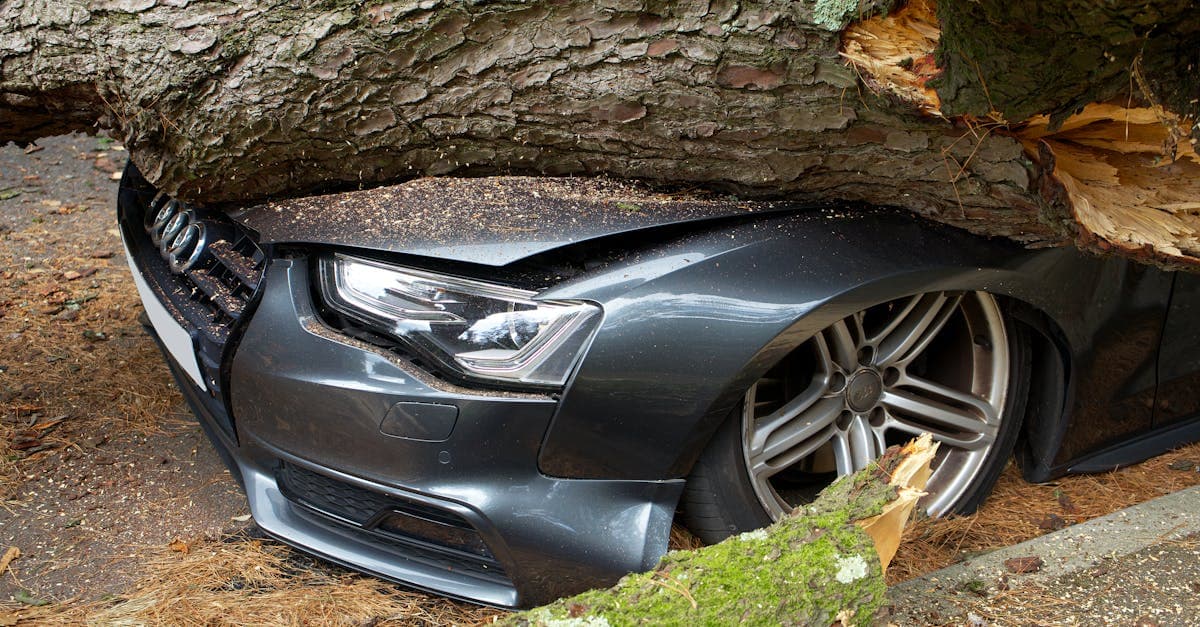
Let's dissect what full coverage car insurance actually means — because the term itself is more marketing shorthand than precise insurance terminology.
The financial case for full coverage — properly defined and properly configured — is straightforward. The average American drives a vehicle worth $15,000-35,000, faces potential liability of $100,000-500,000+ per accident, and has medical expenses that can reach six figures from a single collision. Full coverage with adequate limits addresses all three exposures for roughly $100-250 per month.
But gaps can undermine this financial protection entirely. A driver carrying full coverage with $25,000 liability limits has collision and comprehensive protection for their $30,000 car but only $25,000 to pay for injuries they cause to others. When a $200,000 injury claim exceeds that limit by $175,000, the difference comes from personal assets — despite having full coverage.
The financial analysis of full coverage must consider not just whether you have it, but whether the limits within it are adequate for your actual exposure. Full coverage at minimum limits is like having a padlock on a door with no walls — the lock works perfectly, but the protection is illusory because the surrounding structure is inadequate.
Full Coverage vs Minimum Coverage: Understanding the Protection Difference
Here is what you actually need to do.,The fix is straightforward.,In practice, this works out to,Cut through the noise and focus on this., completeness means understanding the enormous gap between liability-only minimum coverage and what full coverage provides. The difference isn't just about protecting your car — it's about your entire financial risk exposure.
What minimum coverage provides: Liability-only insurance pays for damage and injuries you cause to others — nothing else. It doesn't repair your car after an accident (regardless of fault), doesn't replace your stolen vehicle, doesn't cover hail damage, and doesn't pay for anything that happens to your own property. You're fully exposed to every risk that affects your own vehicle and body.
What full coverage adds: Collision coverage means your vehicle is repaired or replaced after any accident — even ones you cause. Comprehensive coverage means theft, weather, vandalism, and animal strikes are all covered. Together, these additions protect what is often a $15,000-50,000 asset (your vehicle) from damage or loss. The financial exposure eliminated is substantial.
The cost difference: Full coverage typically costs 50-100% more than minimum coverage. On a $1,200 minimum policy, adding collision and comprehensive might bring the total to $1,800-2,400. This $600-1,200 annual difference buys protection for a vehicle worth many times that amount — favorable insurance economics by any standard for vehicles worth more than $8,000-10,000.
When minimum might be acceptable: Minimum coverage may be appropriate only when: your vehicle is worth less than $3,000-4,000, you have no car loan, you could replace the vehicle from savings without hardship, and you accept all physical damage risk personally. Even then, adequate liability limits (not state minimums) remain essential to protect your other assets from lawsuit exposure.
Custom Vehicle Modifications: The Full Coverage Blind Spot
Here is what you actually need to do.,The fix is straightforward.,In practice, this works out to,Cut through the noise and focus on this., if you've invested in aftermarket modifications — custom wheels, sound systems, lift kits, performance parts, or cosmetic upgrades — your standard full coverage has a significant gaps that leaves these investments unprotected.
How standard coverage handles modifications: Standard collision and comprehensive coverage values your vehicle based on its factory configuration at the current model year and mileage. Aftermarket parts and modifications are either excluded entirely or covered only at depreciated value — not what you paid to install them. A $5,000 custom sound system might receive $0 in coverage under standard terms.
Custom equipment coverage (the solution): An endorsement variously called "custom equipment," "aftermarket parts," or "custom parts and equipment" coverage adds protection for modifications. You declare the value of your modifications (typically $1,000-$50,000+ in coverage) and pay an additional premium. If your vehicle is damaged or totaled, this endorsement pays for your modifications in addition to the base vehicle value.
The documentation requirement: To collect on custom equipment claims, you need documentation: receipts for parts and installation, photographs of the modifications, and ideally an itemized list of all aftermarket components and their values. Without documentation, proving what was installed and its value becomes extremely difficult during the claims process.
Cost considerations: Custom equipment coverage typically costs $10-50+ per year per $1,000 in declared value. For a $10,000 investment in modifications, expect $100-500 annually in additional premium. Compare this against the risk of losing your entire modification investment to a single theft, accident, or weather event. For most enthusiasts with significant investments in their vehicles, the coverage is clearly worth the cost.
The Psychology of Full Coverage: Why the Label Creates False Security
Here is what you actually need to do.,The fix is straightforward.,In practice, this works out to,Cut through the noise and focus on this., understanding the psychology behind full coverage helps you move past emotional comfort toward rational completeness in your insurance decisions.
The completeness bias: Humans are psychologically drawn to things labeled "full," "complete," or "comprehensive." These words trigger a sense of resolution — the feeling that a problem is solved and no further attention is needed. When someone tells you they have "full coverage," they feel protected. This feeling is genuine and valuable — but it's based on a label, not on verified reality.
The delegation effect: Calling your insurance "full coverage" allows you to stop thinking about it. It delegates the mental work of understanding your protection to a label rather than engaging with the specifics. This cognitive shortcut saves mental energy but creates vulnerability because you're not actively monitoring whether your coverage matches your evolving needs.
The anchoring problem: Once you've accepted full coverage as complete, any suggestion to add more coverage feels like unnecessary upselling. "I already have full coverage — why would I need uninsured motorist protection?" The label anchors your perception, making genuine gaps harder to identify because they conflict with your belief that you're already fully covered.
Moving beyond psychology to verification: Replace the emotional comfort of the full coverage label with the rational confidence of verified coverage. Read your declarations page annually. Identify each coverage type, its limits, and its exclusions. Ask: "What specific scenarios would leave me paying out of pocket?" When you can answer that question honestly, you've moved from false security to genuine understanding — which is far more protective than any label.
Comprehensive Coverage: The Full Coverage Component for Non-Collision Risks
Here is what you actually need to do.,The fix is straightforward.,In practice, this works out to,Cut through the noise and focus on this., comprehensive coverage is the third essential layers in traditional full coverage. It handles a broad category of vehicle damage that has nothing to do with collisions — making it valuable regardless of how carefully you drive.
The scope of comprehensive: Comprehensive covers: theft of the vehicle, attempted theft damage, vandalism, fire and explosion, natural disasters (hail, wind, flood, tornado), falling objects (trees, debris, rocks), animal strikes (deer, birds), glass breakage (windshield damage), civil disturbance or riot damage, and water damage. This breadth of coverage protects against risks that exist even when your car is parked.
Why comprehensive matters for all drivers: Unlike collision, which partially correlates with driver behavior, comprehensive covers events entirely outside your control. The world's best driver can still have their car stolen, damaged by hail, struck by a deer, or hit by a falling tree. In many regions, deer strikes alone statistically justify comprehensive coverage — over 1.5 million deer-vehicle collisions occur annually with average damage exceeding $4,000.
Comprehensive is typically affordable: Because comprehensive covers lower-severity events (relative to major collisions), it's usually the cheapest physical damage coverage. Monthly costs are often $10-50 depending on vehicle value and location — making it one of the best value coverages available. This favorable cost-to-protection ratio means comprehensive coverage remains financially justified longer into a vehicle's life than collision coverage.
Common comprehensive claims: The most frequent comprehensive claims include: windshield damage from road debris, theft and break-in damage, hail damage (which can total vehicles in severe storms), deer strikes, and falling tree branches. In urban areas, theft and vandalism dominate. In rural areas, animal strikes are most common. In storm-prone regions, weather damage is the primary comprehensive risk.
Medical Payments and PIP: The Health Protection Gap in Full Coverage
Here is what you actually need to do.,The fix is straightforward.,In practice, this works out to,Cut through the noise and focus on this., standard full coverage often omits coverage for your own medical expenses after accidents. This gaps in health protection can leave you with enormous medical bills that neither your auto policy nor your health insurance adequately addresses.
The missing health coverage: When you're at fault in an accident, standard full coverage handles the other party's injuries (through liability) and your car's damage (through collision) — but not your own injuries. If you break your arm in a collision you caused, your full coverage doesn't pay your $15,000 in medical bills. You'd rely entirely on health insurance, with its deductibles, co-pays, and potential coverage gaps.
Medical payments (MedPay) coverage: MedPay covers accident-related medical expenses for you and your passengers regardless of fault, with limits typically ranging from $1,000 to $100,000. It pays on top of health insurance, effectively covering your health insurance deductible and co-pays. Common limit recommendations: at least $5,000, ideally $10,000-25,000.
Personal Injury Protection (PIP): Required in no-fault states, PIP goes beyond medical bills to cover lost wages (typically 80%), essential services you can't perform due to injury, and funeral costs. PIP limits range from $10,000 to $250,000+ depending on state requirements and personal choice. In no-fault states, PIP is your primary recovery mechanism for injuries regardless of fault.
Why adding this coverage matters: Health insurance deductibles now average $1,700 for individuals and $3,500 for families. After an auto accident, MedPay immediately covers these costs plus co-pays, specialist visits, and rehabilitation not fully covered by health plans. For passengers in your vehicle who may lack health insurance entirely, MedPay provides crucial coverage that prevents them from facing enormous uninsured medical bills from an accident in your car.
When Full Coverage Is Essential: Situations That Demand It
Here is what you actually need to do.,The fix is straightforward.,In practice, this works out to,Cut through the noise and focus on this., certain situations make full coverage not just advisable but essential. completeness in these scenarios prevents financial catastrophe that could set you back years or decades.
Financed or leased vehicles: If you have a car loan or lease, your lender requires collision and comprehensive coverage. This isn't optional — failure to maintain required coverage triggers force-placed insurance that costs 3-5x normal rates and protects only the lender. Meeting this requirement while also carrying adequate liability and UM/UIM constitutes responsible full coverage.
Vehicles you can't afford to replace: If your vehicle is worth $10,000+ and losing it would require taking on debt or significantly impair your daily life, full coverage is financially prudent. The premium cost — typically 3-8% of the vehicle's value annually — is a reasonable price for eliminating the risk of sudden, unaffordable vehicle loss.
Limited emergency fund situations: If paying $5,000-20,000+ to replace a vehicle from savings would create genuine financial hardship, full coverage provides essential protection against this scenario. Insurance exists precisely for costs you can't comfortably absorb — and vehicle loss is one of the most common sudden expenses American households face.
High-risk environments: Drivers in areas with high theft rates, severe weather, frequent hail, or heavy traffic face elevated comprehensive and collision risk that makes full coverage actuarially justified. If your specific environment makes vehicle damage or loss more likely than average, the expected value of full coverage increases proportionally.
In today's driving environment — with its expensive vehicles, astronomical medical costs, millions of uninsured drivers, and complex liability scenarios — the traditional definition of full coverage needs updating. completeness today requires more protection than it did twenty years ago because the consequences of inadequate coverage have grown dramatically.
Don't be satisfied with a label that was defined for a simpler era. Build coverage that addresses today's actual risks, carries limits appropriate for today's actual costs, and provides protections that today's driving environment actually requires. That's what full coverage should mean — and what your financial security demands.
The term 'full coverage' gets used loosely. Truscott's explainer on what 'full coverage' actually means on a car insurance policy breaks down which coverages are actually included and which still aren't.
Continue reading

Why the Cheapest Insurance Quote Could Cost You the Most
A low premium often hides higher deductibles, lower coverage limits, and broader exclusions that leave you exposed when damage occurs. Understanding total cost of coverage reveals the true price of cheap insurance.

How to Conduct a Policy Checkup With Your Insurance Agent
A productive policy checkup with your agent covers coverage limits, deductibles, endorsements, discounts, and life changes. Preparing for the meeting ensures you address every important issue.

The Risks of Signing an Assignment of Benefits After Property Damage
Signing an AOB can speed up repairs but also removes your control over the claim. Understanding the risks helps you decide whether an AOB agreement is right for your situation.