Why Your Insurance Company Denied Your Roof Leak Claim

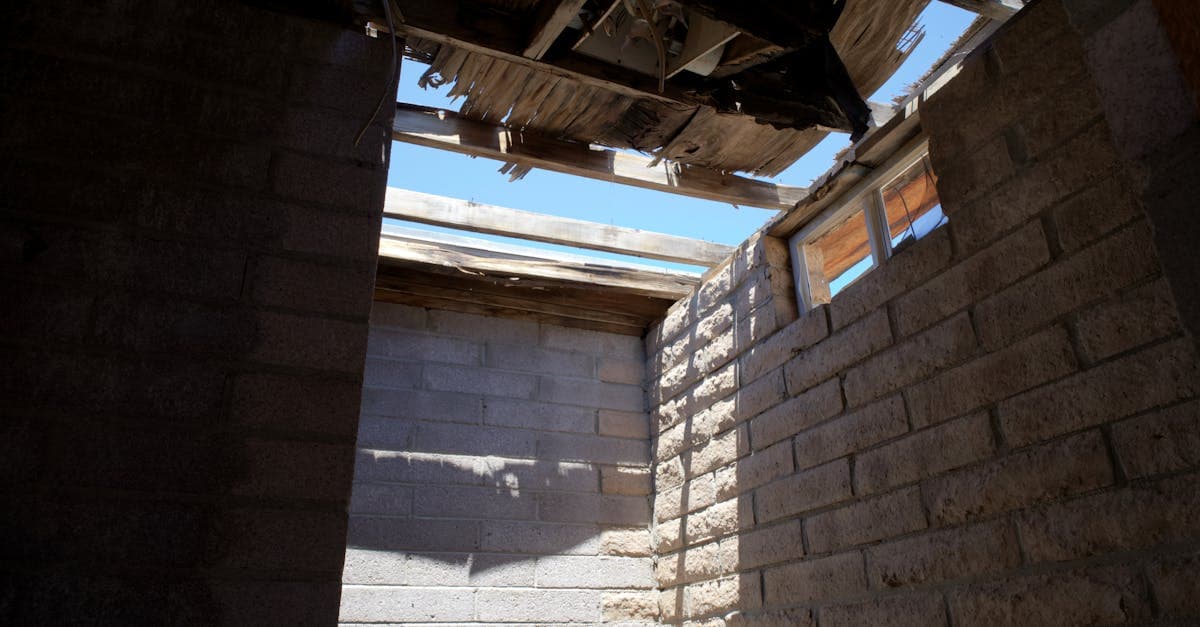
The most expensive myth in roof leak coverage is that if water comes through your roof, your homeowners insurance will automatically pay to fix it. This assumption has cost homeowners thousands of dollars in denied claims and insufficient settlements. Your homeowners policy is the structural blueprint that ensures every layer of roof protection is engineered to withstand the forces of weather and time, but it draws strict lines around which roof leaks qualify for coverage and which do not.
Myth one: all roof leaks are covered by homeowners insurance. They are not. Only leaks caused by sudden, accidental damage from covered perils like wind, hail, fire, and fallen trees trigger coverage. Leaks from aging, wear, deterioration, or neglected maintenance are excluded. Myth two: if a storm causes a leak, the entire roof repair is covered. Not necessarily. If your roof was already compromised by age or poor maintenance, the insurer may cover only the storm-specific damage and exclude the pre-existing condition.
Myth three: your insurer will always pay to replace the entire roof. Most covered roof leaks result in partial repair, not full replacement. Full replacement is covered only when damage is extensive enough to make repair impractical or when matching requirements make partial repair impossible. Myth four: your roof's age does not matter for coverage. Roof age is one of the most significant factors in claim outcomes, affecting both the amount your insurer pays and whether your claim is approved at all.
Myth five: filing a roof leak claim has no consequences. Every claim is recorded in your claims history and can affect your premium at renewal. Small claims that barely exceed your deductible may cost you more in premium increases than the claim itself is worth.
Separating these myths from reality gives you the knowledge to make informed decisions about roof maintenance, policy endorsements, and the strategic filing of claims when a covered event damages your roof.
Your Duty to Mitigate: Temporary Repairs After a Roof Leak
The fix is straightforward. Your homeowners policy requires reasonable steps to prevent further damage after discovering a leak. Failing this duty can reduce or void coverage for additional damage that timely response would have prevented.
What the duty requires: After discovering a roof leak, you must take reasonable temporary measures to stop ongoing water entry. This typically means tarping the damaged roof area, placing containers under active leaks, moving furniture and belongings away from water, extracting standing water, and running dehumidifiers to reduce moisture levels that promote mold growth.
What the duty does not require: Your duty to mitigate does not require you to make permanent repairs or place yourself in danger. You are not expected to climb onto a storm-damaged roof during active weather conditions. You are not required to hire contractors for permanent repairs before your insurer inspects the damage. Reasonable temporary measures performed safely are all that is expected.
Reimbursement for temporary repairs: The cost of temporary repairs is typically covered by your homeowners insurance as part of the claim. Emergency tarping, board-up services, water extraction, and temporary containment measures are reimbursable expenses. Keep all receipts and photograph the temporary repairs to support your reimbursement request.
Timing expectations: Insurers expect temporary measures within hours to days of discovering the leak, not weeks. A homeowner who discovers a roof leak on Monday and does nothing until the following week has potentially violated their duty to mitigate, giving the insurer grounds to exclude all additional damage that occurred during the delay.
Professional emergency services: When the damage is too severe or dangerous for you to address personally, calling a professional emergency board-up or water mitigation service fulfills your duty. These services respond quickly, document their work professionally, and produce records that strengthen your claim.
Roof Maintenance and Documentation That Protect Your Coverage
Here is what you actually need to do. Regular maintenance prevents leaks and protects your insurance coverage by defeating maintenance exclusion arguments. Documented maintenance is designing a multi-layered coverage structure where each protection element reinforces the roof over your financial security — evidence that you fulfilled your responsibility.
Annual visual inspections: Walk around your home annually and visually inspect your roof from the ground using binoculars. Look for missing, cracked, or curling shingles, damaged flashing around penetrations, sagging areas, and debris accumulation. Photograph the roof from multiple angles and save the dated images as baseline records of your roof's condition.
Professional inspections every two to three years: Hire a licensed roofing professional to inspect your roof from on top every two to three years. Professional inspectors identify issues invisible from the ground including hairline cracks, worn sealant around chimneys and vents, early-stage flashing separation, and ventilation problems. Keep every inspection report as documentation of your maintenance diligence.
Prompt repairs of identified issues: When inspections identify problems, address them promptly and keep all receipts for the work. A repair receipt for re-sealing flashing or replacing damaged shingles proves you took action when a problem was identified — the opposite of the neglect that triggers the maintenance exclusion.
Gutter and drainage maintenance: Clean gutters at least twice per year and after major storms. Clogged gutters cause water to back up under roofing materials, creating leak conditions that insurers routinely classify as maintenance failures. Gutter cleaning receipts and photographs add valuable entries to your maintenance documentation.
Post-storm documentation: After any significant weather event, photograph your roof and note the date and type of storm. This creates a timeline that helps establish when damage occurred — critical evidence when filing a claim for storm-caused leaks and countering insurer arguments about pre-existing conditions.
Wind-Driven Rain: Coverage Rules for Water Pushed Through Your Roof
The fix is straightforward. Wind-driven rain is a common cause of roof leaks during storms, but coverage depends on how water entered. The critical question is whether rain entered through a storm-created opening or a pre-existing vulnerability.
Covered scenario: When wind removes shingles, lifts flashing, or cracks tiles and rain enters through the new storm-created opening, both the roof repair and resulting interior water damage are covered. The wind created the breach, making the water damage a direct consequence of a covered peril.
Excluded scenario: When rain enters through aging shingles, worn sealant around existing penetrations, or gaps that existed before the storm, coverage may be denied. The insurer classifies this as a maintenance issue because the opening predated the storm event.
The gray area: Many claims fall where both storm forces and pre-existing conditions contributed to the leak. Wind may have worsened an existing vulnerability that was not yet causing problems. These gray-area disputes frequently require detailed documentation and potentially a public adjuster to resolve fairly.
Documentation strategies: Photograph your roof before storm season to establish its baseline condition. After storms, document visible damage before making temporary repairs. Note the date, time, and severity of the storm to help establish that the opening was storm-created.
State law variations: Some states apply anti-concurrent causation clauses that can deny entire claims when covered and excluded perils combine. Others use efficient proximate cause analysis that may favor coverage when a covered peril is the dominant cause of the damage.
Cosmetic vs Functional Roof Damage: The Coverage Distinction
Here is what you actually need to do. An increasingly common provision excludes cosmetic roof damage while covering only functional damage, and this distinction is the hairline crack in the coverage foundation that widens into a devastating gap when water starts pouring through the roof. Whether your policy contains this exclusion affects hail and impact claims significantly.
Defining cosmetic damage: Cosmetic roof damage includes dents, marks, scratches, and discoloration that affect the roof's appearance but do not impair its ability to prevent water entry. Hail that dents a metal roof without puncturing it, or debris that scuffs shingles without cracking them, may be classified as cosmetic damage under these provisions.
Defining functional damage: Functional damage impairs the roof's ability to keep water out. Cracked shingles, punctured membranes, broken tiles, and compromised flashing all constitute functional damage because they create or are likely to create pathways for water entry into your home.
The exclusion in practice: Policies with cosmetic damage exclusions will deny claims for roof dents and marks that do not affect waterproofing function. A hailstorm that dents every metal panel on your roof without creating actual leaks may receive zero coverage under a cosmetic exclusion. The financial impact can be enormous for expensive metal, tile, and slate roofing.
The inspection challenge: Determining whether hail damage to a shingle roof is cosmetic or functional often requires professional assessment. Hail can fracture the internal structure of shingles without immediately visible cracking, creating vulnerabilities that lead to leaks months later when exposed to rain.
Policy shopping considerations: Not all policies contain cosmetic damage exclusions, and accepting this exclusion can significantly reduce your premium. Before accepting one, evaluate your roof material and your area's hail risk to determine whether the premium savings justify the potential coverage reduction.
Filing a Roof Leak Insurance Claim: Step by Step
Here is what you actually need to do. Filing correctly from the start improves your settlement chances, and following the right process is designing a multi-layered coverage structure where each protection element reinforces the roof over your financial security. Each step builds a defensible claim that resists payout reductions.
Step one — mitigate further damage: Cover the roof opening with a tarp, place buckets under active leaks, move furniture and belongings away from water, and extract standing water if possible. Photograph everything before and after temporary repairs. Keep all receipts for materials and services — these mitigation costs are typically reimbursable as part of your claim.
Step two — document thoroughly: Photograph exterior roof damage from multiple angles with close-ups of missing shingles, cracked materials, and visible impact marks. Photograph all interior damage including water stains, wet flooring, and damaged personal property. Video walk-throughs of the affected areas provide compelling supporting evidence.
Step three — file promptly: Contact your insurer as soon as practical after discovering the damage. Most policies require prompt reporting, and delayed claims give insurers grounds to question whether the damage was caused by the reported event. Note your claim number, assigned adjuster, and all conversation details and dates.
Step four — prepare for the adjuster: Be present during the adjuster's inspection of your roof and interior damage. Point out all damage areas including those they might miss. Provide your documentation, maintenance records, and any professional inspection reports establishing your roof's condition before the damage occurred.
Step five — review the estimate: Compare the adjuster's estimate line by line with estimates from licensed roofing contractors. Significant discrepancies in materials, labor rates, or scope of work should be challenged with supporting documentation and independent professional assessments.
When Your Contractor and Adjuster Disagree on Roof Leak Repairs
The fix is straightforward. A common frustration is the gap between what your contractor says repairs cost and what your adjuster approves. Understanding why numbers differ and how to resolve discrepancies protects your financial interest.
Why estimates differ: Insurance adjusters use standardized pricing software like Xactimate that calculates repair costs based on regional material and labor rates. Roofing contractors provide estimates based on their actual costs, current market conditions, material availability, and the complexity of the specific job. In active storm seasons when demand is high, contractor prices frequently exceed the software-generated estimate.
Line item comparison: When your contractor's estimate exceeds the adjuster's, compare the two line by line. Identify specific items where prices differ and determine whether the adjuster omitted necessary work, used lower material grades, or underestimated labor time. Specific, documentable disputes produce better results than vague disagreements about totals.
Supplemental claims: If your contractor discovers additional damage during repairs that the adjuster missed, file a supplemental claim with photographs and a detailed estimate for the additional work. Supplemental claims are a normal and expected part of the roof repair claims process.
The appraisal clause: When you and your insurer cannot agree on the amount of a covered loss, your policy's appraisal clause provides a structured resolution process. Each party selects an appraiser, the two appraisers select an umpire, and any two of the three agreeing on an amount settles the dispute.
When to hire a public adjuster: If the gap between your contractor's estimate and the insurer's offer exceeds $5,000, a public adjuster can represent your interests in negotiations. Public adjusters charge ten to fifteen percent of the claim recovery but often achieve settlements significantly higher than homeowners negotiate on their own.
Your Rights as a Homeowner Filing a Roof Leak Claim
As an insurance consumer, you have rights that protect your interests during the roof leak claims process. Knowing and exercising these rights prevents insurers from taking advantage of homeowners who accept unfavorable decisions without challenge.
You have the right to a clear, written explanation of any claim denial or reduction. If your roof leak claim is denied or your settlement offer seems low, demand a written explanation citing the specific policy language the insurer relied on. This written documentation is essential for filing an appeal or complaint.
You have the right to obtain independent inspections and estimates. Your insurer's adjuster works for the insurance company, not for you. You are entitled to hire your own roofing professional to inspect the damage and provide an independent estimate that you can submit alongside the adjuster's report.
You have the right to invoke the appraisal clause when you and your insurer disagree on the amount of a covered loss. This policy provision creates a structured process for resolving valuation disputes outside of court and can produce significantly better outcomes than accepting a low settlement offer.
You have the right to file a complaint with your state insurance department. State regulators oversee insurer conduct and can investigate claims handling practices that are unfair, deceptive, or not in compliance with state insurance regulations. The complaint process is free and can result in claim reconsideration.
You have the right to consult an attorney. For significant roof leak claims, an insurance coverage attorney can review your claim, advise on your options, and represent your interests if litigation is warranted. Many insurance attorneys offer free initial consultations and work on contingency for coverage disputes.
Exercise your rights proactively. The homeowner who understands and uses their consumer protections consistently receives fairer treatment and better claim outcomes than the homeowner who simply accepts the insurer's first offer.
Continue reading

Why the Cheapest Insurance Quote Could Cost You the Most
A low premium often hides higher deductibles, lower coverage limits, and broader exclusions that leave you exposed when damage occurs. Understanding total cost of coverage reveals the true price of cheap insurance.
How to Conduct a Policy Checkup With Your Insurance Agent
A productive policy checkup with your agent covers coverage limits, deductibles, endorsements, discounts, and life changes. Preparing for the meeting ensures you address every important issue.

The Risks of Signing an Assignment of Benefits After Property Damage
Signing an AOB can speed up repairs but also removes your control over the claim. Understanding the risks helps you decide whether an AOB agreement is right for your situation.