Do You Need Flood Insurance? Understanding Your Risk

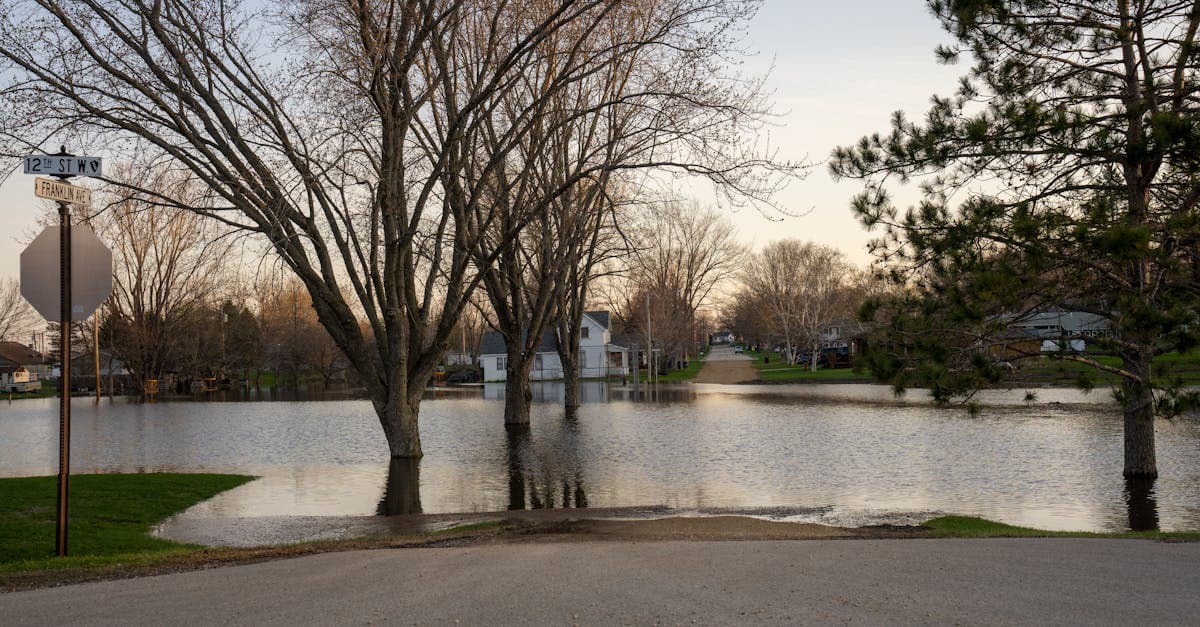
Dangerous myths about flood insurance leave millions of homeowners financially exposed to the most common natural disaster in America. Let us correct the most harmful misconceptions.
Myth one: your homeowners insurance covers flood damage. It does not. Every standard homeowners insurance policy in the United States explicitly excludes flood damage. This exclusion applies regardless of your insurer, your premium level, or how comprehensive your policy appears.
Myth two: you do not need flood insurance if you are not in a high-risk flood zone. Over 25 percent of all flood insurance claims come from properties outside high-risk flood zones. Flooding happens wherever rain falls, drains overflow, or water accumulates.
Myth three: federal disaster assistance will cover your flood losses. FEMA disaster grants average around $5,000 — a fraction of typical flood damage. SBA disaster loans must be repaid with interest. Neither replaces the protection that flood insurance provides.
Myth four: flood insurance is too expensive. Preferred Risk Policies for properties in moderate-to-low risk zones can cost as little as $129 per year. Even standard-rated policies average around $700 annually — far less than the cost of repairing flood damage out of pocket.
Understanding the reality of flood insurance is the elevated foundation that lifts your financial security above the flood line by providing dedicated coverage that your homeowners insurance was never designed to include. These myths must be cleared away so you can make an informed decision about whether flood insurance belongs in your financial protection plan. For most homeowners, the answer is yes.
Flood Mitigation: Reducing Both Your Risk and Your Premium
The fix is straightforward. Flood mitigation measures serve the dual purpose of reducing your flood damage risk and lowering your flood insurance premium. Investing in mitigation protects both your property and your wallet.
Home elevation: Raising your home above the base flood elevation is the most effective mitigation measure. Elevation can reduce flood insurance premiums by 50 percent or more and dramatically reduces the likelihood of flood damage. The cost ranges from $30,000 to $100,000 depending on the home's size and foundation type.
Flood vents: Installing engineered flood vents in enclosed areas below your living space allows floodwater to flow through rather than build up pressure against walls. Proper flood vents can qualify you for lower premiums by reducing structural damage risk.
Elevated utilities: Moving electrical panels, HVAC systems, water heaters, and washer-dryers above the base flood elevation reduces damage from minor floods and may qualify for premium reductions. This is one of the most cost-effective mitigation measures.
Backflow prevention: Installing backflow valves on sewer and drain lines prevents floodwater from entering your home through the plumbing system. While this does not reduce flood insurance premiums directly, it prevents one of the most common and destructive flood entry points.
Grading and drainage: Improving the grading around your home so water flows away from the foundation rather than toward it reduces both surface water intrusion and foundation damage. Combined with proper gutter systems and drainage, this creates an effective first line of defense.
Community-level mitigation: Your community's participation in the Community Rating System can reduce NFIP premiums for all residents by 5 to 45 percent. CRS rewards communities that implement flood warning systems, floodplain management, and public education programs. Support local mitigation efforts to benefit from these collective premium discounts.
How Flood Insurance Works: The Basics Every Homeowner Must Understand
Here is what you actually need to do. Understanding how flood insurance works is engineering a flood insurance plan that raises your financial protection above the highest expected water level so your recovery begins the moment the floodwaters recede. The structure is straightforward but differs significantly from your homeowners insurance in several important ways.
Separate policy requirement: Flood insurance is a standalone policy, not a rider or endorsement on your homeowners insurance. You purchase it separately, pay a separate premium, and file separate claims. Your homeowners insurer and your flood insurer may be different companies.
Two coverage types: Flood insurance provides two distinct coverages. Building coverage pays to repair or replace your home's structure — walls, floors, foundation, electrical and plumbing systems, built-in appliances, and permanently installed features. Contents coverage pays to replace personal property damaged by flooding — furniture, electronics, clothing, and other belongings.
NFIP coverage limits: Under the National Flood Insurance Program, residential building coverage maxes out at $250,000 and contents coverage at $100,000. If your home's replacement cost exceeds $250,000, you should consider excess flood insurance from a private carrier to fill the gap.
Deductible structure: Like other insurance policies, flood insurance has a deductible you must pay before coverage kicks in. NFIP deductibles range from $1,000 to $10,000 for building coverage and $1,000 to $10,000 for contents coverage. Higher deductibles reduce your premium.
The 30-day waiting period: Most new flood insurance policies have a 30-day waiting period before coverage takes effect. This prevents homeowners from purchasing coverage only when a flood is imminent. The waiting period does not apply when flood insurance is purchased in connection with a new mortgage closing.
The 30-Day Waiting Period: Why You Cannot Buy Flood Insurance at the Last Minute
The fix is straightforward. One of the most important rules in flood insurance is the 30-day waiting period. This rule catches many homeowners off guard and represents the missing support beam in your insurance portfolio that leaves your entire financial structure vulnerable to collapse when floodwaters enter your home and your homeowners policy offers no help if you wait too long to purchase coverage.
The standard waiting period: New NFIP flood insurance policies have a 30-day waiting period from the date of purchase before coverage takes effect. If you buy a policy on June 1, coverage begins on July 1. Any flooding that occurs during the waiting period is not covered.
Why the waiting period exists: Without a waiting period, homeowners would only purchase flood insurance when a storm was approaching or flooding was imminent. This adverse selection would make the program financially unsustainable because only properties about to flood would be insured.
Exceptions to the waiting period: The 30-day waiting period does not apply when flood insurance is purchased in connection with a new mortgage origination, when you increase coverage on an existing policy, or when a map revision changes your flood zone to a higher-risk designation requiring coverage. In these cases, coverage can take effect immediately.
Private flood insurance waiting periods: Private flood insurers set their own waiting periods, which may be shorter or longer than the NFIP's 30 days. Some private carriers offer 14-day or 10-day waiting periods, providing faster access to coverage after purchase.
The practical implication: You must purchase flood insurance before you need it — well before hurricane season begins, before spring flooding season, and before any weather forecast suggests flooding in your area. The time to buy flood insurance is when the sun is shining, not when the storm is approaching.
Hurricane season preparation: Hurricane season runs June 1 through November 30. To have coverage in place by June 1, you must purchase your flood policy by May 1 at the latest. Waiting until hurricane forecasts become alarming means waiting too long — the 30-day clock starts ticking from your purchase date.
The Private Flood Insurance Market: Expanding Options for Homeowners
Here is what you actually need to do. The private flood insurance market has grown significantly in recent years, offering homeowners alternatives to the NFIP with potentially better coverage, competitive pricing, and more flexible terms.
Market growth: Private flood insurance has expanded from a niche product to a meaningful market segment. Several dozen carriers now offer private flood policies, driven by improved flood modeling technology and the perception that NFIP pricing creates opportunities for competitive alternatives.
Coverage advantages: Private flood policies may offer building coverage limits above $250,000, contents replacement cost coverage instead of actual cash value, additional living expenses coverage during displacement, broader basement coverage, and coverage for pools, landscaping, and detached structures that the NFIP excludes.
Pricing competition: Private carriers use proprietary flood models that may price risk differently than the NFIP. For some properties — particularly those with lower risk profiles — private insurance offers lower premiums than NFIP policies. For higher-risk properties, NFIP subsidized rates may still be lower.
Shorter waiting periods: Some private carriers offer waiting periods shorter than the NFIP's 30 days — as short as 10 or 14 days. This provides slightly faster access to coverage, though purchasing well before flood season remains the best practice.
Lender acceptance: Federal law requires lenders to accept private flood insurance that meets specific criteria. However, some lenders remain more comfortable with NFIP policies. If you choose private flood insurance, confirm that your lender will accept the policy before purchasing.
Financial stability considerations: Unlike the NFIP, private carriers are not backed by the federal government. Their ability to pay claims depends on their financial reserves and reinsurance arrangements. Check the carrier's financial rating from AM Best or similar agencies before purchasing a private flood policy.
How to File a Flood Insurance Claim: The Step-by-Step Process
Here is what you actually need to do. Filing a flood insurance claim follows a specific process that differs from standard homeowners insurance claims. Understanding the steps in advance helps you document damage properly and receive your full claim payment.
Step one — document the damage: Before any cleanup begins, photograph and video all flood damage from multiple angles. Document the water line height on walls, damaged structural elements, destroyed personal property, and the extent of water penetration. This documentation is your primary evidence for the claim.
Step two — report the claim promptly: Contact your flood insurance company as soon as possible after the flood recedes. NFIP policies require you to report the claim within 60 days of the flood event. Your insurer assigns a claim number and schedules an adjuster visit.
Step three — separate flood damage from other damage: If the same event caused both flood and wind damage, separate the two for claims purposes. Flood damage goes to your flood insurer. Wind damage goes to your homeowners insurer. Documenting the cause of each type of damage is essential for proper claim processing.
Step four — meet with the adjuster: The flood claims adjuster inspects your property, documents the flood-related damage, and prepares a repair estimate. Be present during the inspection to point out all flood damage including hidden damage behind walls, under flooring, and in mechanical systems.
Step five — submit your proof of loss: NFIP claims require a signed and sworn proof of loss statement within 60 days of the adjuster's report. This document itemizes all flood damage and the claimed amounts. It is a legal requirement for NFIP claims that many homeowners are not aware of until after the flood.
Step six — receive payment and begin repairs: Once your claim is approved, the insurer pays the covered amount minus your deductible. Building claims may be paid in installments as repairs progress. Begin repairs promptly to prevent additional damage from mold, structural deterioration, or weather exposure.
The History of Flood Insurance: From Crisis to the Modern NFIP
The fix is straightforward. The history of flood insurance in America explains why the coverage exists as a separate government program and how it has evolved to address the growing financial impact of flooding.
The pre-NFIP era: Before 1968, private insurers refused to offer flood coverage because flood risk was too concentrated and catastrophic for private markets to handle profitably. Homeowners in flood-prone areas had no insurance option and relied entirely on personal savings and federal disaster relief after floods.
The 1968 creation of the NFIP: After devastating floods in the 1960s, Congress passed the National Flood Insurance Act of 1968, creating the NFIP. The program offered flood coverage that private markets would not provide, in exchange for communities adopting floodplain management regulations.
The 1973 mandate: The Flood Disaster Protection Act of 1973 required flood insurance for properties with federally backed mortgages in high-risk flood zones. This mandate dramatically increased flood insurance adoption and established the connection between flood maps, mortgages, and insurance that exists today.
Major storm impacts: Each major flood event shaped the NFIP. Hurricane Katrina in 2005 generated $16 billion in claims and exposed pricing inadequacies. Superstorm Sandy in 2012 caused $9 billion in claims and revealed operational challenges. Hurricane Harvey in 2017 produced $9 billion in claims, with many affecting homes outside mapped flood zones.
Reform legislation: The Biggert-Waters Act of 2012 attempted to move NFIP pricing toward actuarial rates. The Homeowner Flood Insurance Affordability Act of 2014 slowed the rate increases. Risk Rating 2.0, implemented in 2021, represents the most comprehensive pricing reform in the program's history.
Current challenges: The NFIP carries over $20 billion in debt to the US Treasury. Congress has repeatedly extended the program through short-term reauthorizations rather than comprehensive reform. The growing private flood insurance market provides competition but cannot yet replace the NFIP's role as the primary flood insurer for American homeowners.
Your Rights and Responsibilities as a Flood Insurance Consumer
As a consumer, you have the right to purchase flood insurance regardless of your flood zone. The NFIP is available to all homeowners in participating communities. You also have the right to shop private flood insurance for potentially better coverage and pricing.
You have the right to request detailed information about your flood zone designation, your premium calculation, and the specific coverage terms of your policy. Your agent should explain what is covered, what is excluded, and how the claims process works.
Your responsibility is to evaluate your flood risk honestly and make an informed coverage decision. Do not assume your homeowners policy covers floods — it does not. Do not assume your area never floods — every location has some flood risk. Do not assume federal disaster aid will make you whole — it will not.
Review your flood insurance annually. Confirm coverage limits match your property's current value. Check that your deductible is affordable. And maintain continuous coverage to preserve your policy benefits and avoid the 30-day waiting period.
Continue reading

Why the Cheapest Insurance Quote Could Cost You the Most
A low premium often hides higher deductibles, lower coverage limits, and broader exclusions that leave you exposed when damage occurs. Understanding total cost of coverage reveals the true price of cheap insurance.

How to Conduct a Policy Checkup With Your Insurance Agent
A productive policy checkup with your agent covers coverage limits, deductibles, endorsements, discounts, and life changes. Preparing for the meeting ensures you address every important issue.

The Risks of Signing an Assignment of Benefits After Property Damage
Signing an AOB can speed up repairs but also removes your control over the claim. Understanding the risks helps you decide whether an AOB agreement is right for your situation.