Does Comprehensive Insurance Cover Weather Damage to Your Car?

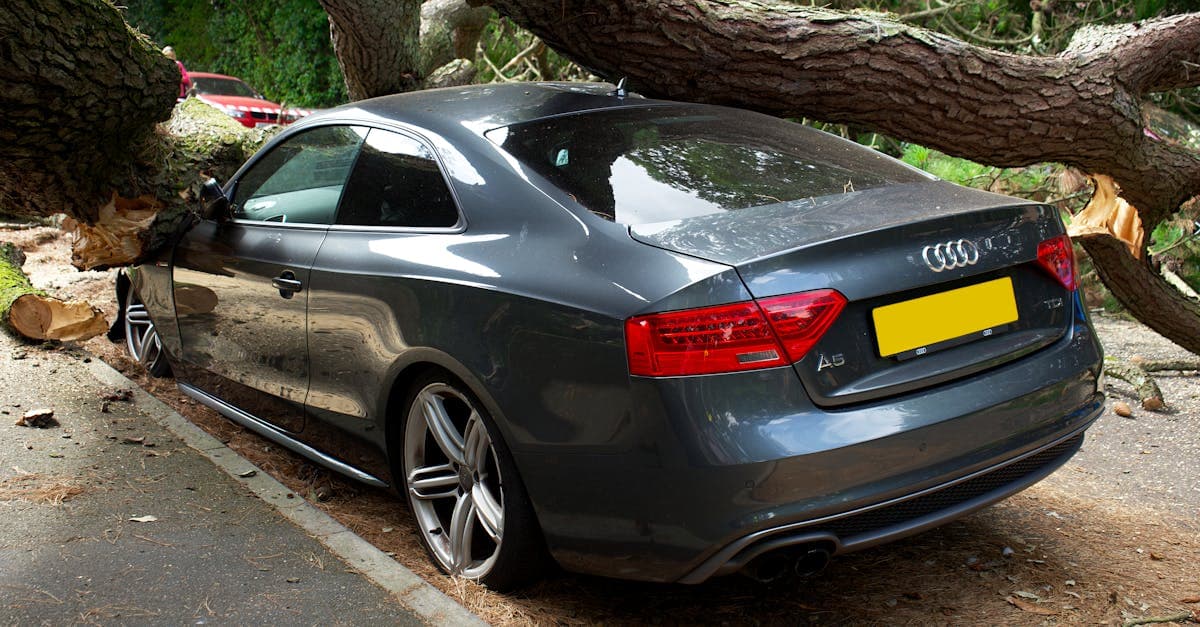
The name comprehensive leads many drivers to believe this coverage handles everything. It does not. This single misconception is the root of countless claim denials and policyholder frustrations. Let us correct the most common myths right now.
Myth one: comprehensive insurance covers mechanical breakdowns. It does not — that is what a warranty or mechanical breakdown insurance covers. Myth two: comprehensive covers damage from potholes. Hitting a pothole is a collision event because your vehicle struck a road surface. Myth three: comprehensive covers personal items stolen from your car. It covers the vehicle itself, but items inside are covered by your homeowners or renters policy.
Myth four: comprehensive and full coverage are the same thing. Full coverage is an informal term that typically means liability plus collision plus comprehensive — comprehensive is only one piece. Myth five: filing a comprehensive claim will raise your rates the same as an at-fault accident. In most states and with most insurers, comprehensive claims have a smaller rate impact because they involve events outside your control.
Comprehensive insurance is the roof that protects your vehicle from everything falling from above. It is broad protection against a specific category of risks, but it has boundaries. Understanding those boundaries — what is covered, what is excluded, and how claims are handled — is essential to getting full value from your coverage.
Choosing the Right Comprehensive Deductible
The fix is straightforward. Your comprehensive deductible is the amount you pay out of pocket before the insurer covers the rest of a comprehensive claim. Choosing the right deductible is building a shelter against the risks you cannot control — it directly affects both your premium and your financial exposure when you file a claim.
Common deductible options: Most insurers offer comprehensive deductibles of $100, $250, $500, $1,000, and sometimes $1,500 or $2,500. The default is often $500, but accepting the default without analysis is a missed opportunity to optimize your coverage cost.
The premium-deductible tradeoff: Raising your comprehensive deductible from $250 to $500 typically reduces your comprehensive premium by 15 to 20 percent. Moving from $500 to $1,000 saves another 10 to 15 percent. These savings compound year after year, while the higher deductible only costs you more if you file a claim.
Separate from collision deductible: Your comprehensive and collision deductibles are independent. Many drivers set them at the same level out of habit, but there are good reasons to set them differently. Comprehensive events like hail and theft are more common in some areas than collisions, so a lower comprehensive deductible may make sense if you live in a high-risk area for weather or theft.
The break-even calculation: Compare the annual premium savings from a higher deductible to the additional out-of-pocket cost if you file a claim. If raising your deductible from $250 to $500 saves you $100 per year, and the additional deductible exposure is $250, you break even in 2.5 years without a claim. For most drivers, higher deductibles pay off over time.
Glass deductible considerations: In states with full glass coverage, your comprehensive deductible may not apply to windshield claims. In other states, choosing a lower comprehensive deductible specifically to reduce windshield claim costs may be worthwhile if you drive frequently on roads with loose gravel or debris.
How Comprehensive Insurance Values Your Vehicle
Here is what you actually need to do. When you file a comprehensive claim that results in a total loss, the payout is based on your vehicle's actual cash value. Understanding how insurers determine this value prevents surprise and disappointment when you receive your settlement offer.
Actual cash value defined: Actual cash value is what your vehicle was worth immediately before the loss occurred. It is not what you paid for the vehicle, not what you owe on your loan, and not what it would cost to buy a brand-new replacement. It is the fair market value of your specific vehicle with its specific mileage, condition, and features at the time of the loss.
Valuation methods: Insurers typically use one or more valuation services to determine ACV. These services analyze recent sales data for comparable vehicles in your geographic area, adjusting for mileage, condition, optional equipment, and other factors. Common valuation sources include CCC Intelligent Solutions, Mitchell, and Audatex.
Factors that affect ACV: Year, make, model, and trim level establish the baseline. Mileage adjusts the value up or down relative to the average. Condition — including paint, interior, tire, and mechanical condition — further adjusts the figure. Optional equipment, aftermarket modifications, and even regional demand affect the final number.
Challenging the valuation: If you believe the insurer's ACV is too low, gather evidence. Search for comparable vehicles currently listed for sale in your area and compile the listings. Request a copy of the insurer's valuation report to identify specific adjustments you can dispute. Many policyholders successfully negotiate higher valuations by presenting credible comparable sales data.
Replacement cost coverage: Some insurers offer optional new-car replacement or better-car replacement endorsements that pay more than ACV for newer vehicles. These endorsements cost extra but can be valuable for vehicles that depreciate quickly in their first few years.
Hail Damage and Comprehensive Claims
The fix is straightforward. Hail damage is the single most expensive weather-related comprehensive peril in the United States, costing insurers billions of dollars annually. Understanding how hail claims work helps you navigate the process efficiently and protect your vehicle's value.
Hail damage assessment: Hail creates dents ranging from barely visible to severely deformed depending on hail size and impact angle. Insurance adjusters assess hail damage by counting dents on each panel and categorizing their severity. A typical hail claim identifies damage on the hood, roof, trunk, and exposed side panels.
Paintless dent repair: PDR has become the standard repair method for most hail damage claims. Skilled technicians use specialized tools to push dents out from behind the panel without repainting. PDR is faster, less expensive, and preserves the original factory paint finish. Most insurers prefer PDR when the damage qualifies because it reduces claim costs.
When PDR is not possible: Severe hail that cracks paint, creates sharp creases, or damages panels beyond PDR capability requires traditional body work including filling, sanding, and repainting. These repairs cost significantly more and may affect your vehicle's value even after completion. Broken glass from hail is also included in the comprehensive claim.
Hail claim tips: Document the damage immediately with photographs before moving the vehicle. Get multiple repair estimates — the insurer's preferred shop estimate may not match independent estimates. Understand that you have the right to choose your own repair facility. If you prefer traditional repair over PDR for cosmetic reasons, discuss this with your adjuster.
Storm chasing repair companies: After major hailstorms, out-of-town repair companies often set up temporary operations to handle the surge in claims. While many are legitimate, some provide substandard work. Verify credentials, check reviews, and ensure any repair company offers a warranty before authorizing work on your vehicle.
Comprehensive Insurance in High-Risk Areas
Here is what you actually need to do. Your geographic location significantly affects both your comprehensive risk exposure and your premium. Understanding the specific risks in your area helps you make better coverage and deductible decisions.
Coastal areas: Drivers in coastal regions face elevated risks from hurricanes, tropical storms, storm surge flooding, and salt air corrosion. Comprehensive premiums in coastal areas are typically higher to reflect these risks. Some insurers in hurricane-prone states impose separate wind and hail deductibles that are significantly higher than standard comprehensive deductibles.
Urban environments: Cities present higher comprehensive risks from vehicle theft, vandalism, break-ins, and civil unrest. Parking on streets rather than in garages increases exposure to all of these perils. Urban comprehensive premiums reflect these elevated risks, though garaging your vehicle can earn substantial discounts.
Rural and wildlife areas: Rural drivers face higher animal collision risk, particularly in areas with dense deer, elk, or moose populations. These claims can be extremely costly — a moose collision can total a vehicle. Rural areas may also present risks from falling trees and limited emergency response times.
Hail corridors: The central United States — particularly Texas, Oklahoma, Kansas, Nebraska, and Colorado — experiences frequent and severe hailstorms. Comprehensive premiums in these states include significant hail risk pricing. Some drivers in hail corridors carry lower comprehensive deductibles specifically to manage hail claim costs.
Flood zones: Vehicles regularly parked in FEMA-designated flood zones face elevated comprehensive risk. While auto comprehensive covers flood damage unlike homeowners insurance, premiums in flood-prone areas may be higher. Consider where you park during storm season and whether covered or elevated parking is available.
Glass and Windshield Coverage Under Comprehensive
Here is what you actually need to do. Windshield and glass damage is one of the most frequently filed comprehensive claims, and it comes with state-specific rules that can significantly affect your out-of-pocket costs. Understanding these rules can save you hundreds of dollars.
How glass claims work: A cracked or broken windshield from a road hazard, flying debris, or vandalism is a comprehensive claim. The insurer covers repair or replacement up to the actual cost minus your deductible — unless your state or policy has special glass provisions.
Full glass coverage states: Several states, including Florida, Kentucky, and South Carolina, require insurers to offer or include full glass coverage with zero deductible under comprehensive. In these states, you can have your windshield replaced without paying any deductible, which makes filing the claim financially advantageous for any significant crack.
Repair vs replacement: Most insurers prefer windshield repair over replacement when the damage qualifies — small chips and short cracks can often be repaired for $50 to $150, compared to $300 to $1,000 or more for replacement. Many insurers waive the deductible entirely for repairs as an incentive to address damage before it worsens.
Calibration costs: Modern vehicles with advanced driver assistance systems require windshield recalibration after replacement. This process ensures cameras and sensors mounted near the windshield function correctly. Calibration costs typically range from $200 to $500 and should be included in your comprehensive claim — do not let the repair shop or insurer exclude this essential step.
Side and rear glass: All vehicle glass is covered under comprehensive. However, side window and rear window damage is less likely to qualify for deductible-free treatment even in full glass states, as those provisions often apply specifically to windshields.
When to Drop Comprehensive Coverage
The fix is straightforward. There comes a point in every vehicle's life when comprehensive insurance costs more than it is worth. Identifying that point requires straightforward math and honest assessment of your financial situation.
The value threshold: A common rule of thumb is to drop comprehensive when your annual premium exceeds 10 percent of the vehicle's actual cash value. If your car is worth $3,000 and your comprehensive premium is $350, you are paying more than 11 percent of the vehicle's value annually — a poor return on your insurance investment.
The self-insurance test: Before dropping comprehensive, ask whether you can afford to replace your vehicle entirely out of pocket. If your car is worth $4,000 and you have adequate savings to buy a comparable replacement without financial hardship, self-insuring may be the smarter choice. If losing the vehicle would leave you unable to get to work, comprehensive coverage provides essential financial protection regardless of the math.
The risk assessment: Even if the math favors dropping coverage, consider your local risk environment. If you live in an area with frequent hail, high vehicle theft rates, or regular flooding, the probability of a comprehensive loss is higher and the coverage may be worth retaining longer than the simple math suggests.
Partial reduction strategy: Rather than dropping comprehensive entirely, consider raising your deductible significantly. Moving to a $1,000 or $2,500 deductible on an older vehicle dramatically reduces your premium while maintaining coverage against catastrophic comprehensive losses. This middle-ground approach works well for vehicles in the $5,000 to $10,000 value range.
Annual review: Revisit the drop decision annually. As your vehicle's value declines, the break-even point shifts. A coverage that made sense last year may not make sense this year, and checking the math takes only a few minutes.
Your Rights as a Comprehensive Insurance Consumer
As a consumer, you have important rights when it comes to comprehensive insurance claims and coverage decisions. Understanding these rights ensures you receive fair treatment from your insurer.
You have the right to choose your own repair facility — the insurer can recommend shops but cannot require you to use a specific one. You have the right to a fair vehicle valuation based on comparable local sales, not just automated database figures. You have the right to dispute a claim settlement you believe is too low, including requesting an independent appraisal in most states.
You also have the right to understand exactly what your comprehensive coverage includes and excludes. If your agent cannot clearly explain your coverage, that is a problem worth addressing before you need to file a claim.
Exercise these rights proactively. Review your policy language. Understand your state's specific comprehensive regulations. Know the complaint process through your state insurance department if you feel a claim is handled unfairly. Informed consumers consistently receive better outcomes than passive ones.
Continue reading

Why the Cheapest Insurance Quote Could Cost You the Most
A low premium often hides higher deductibles, lower coverage limits, and broader exclusions that leave you exposed when damage occurs. Understanding total cost of coverage reveals the true price of cheap insurance.

How to Conduct a Policy Checkup With Your Insurance Agent
A productive policy checkup with your agent covers coverage limits, deductibles, endorsements, discounts, and life changes. Preparing for the meeting ensures you address every important issue.

The Risks of Signing an Assignment of Benefits After Property Damage
Signing an AOB can speed up repairs but also removes your control over the claim. Understanding the risks helps you decide whether an AOB agreement is right for your situation.