Personal Liability Insurance: What Every Homeowner Should Know

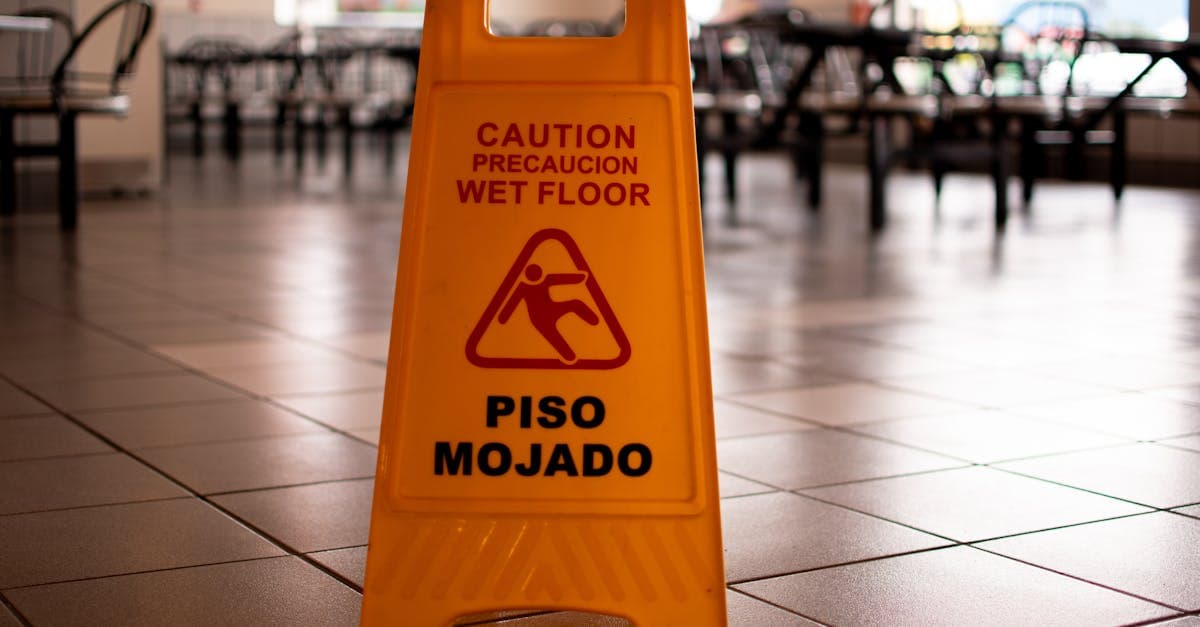
Most homeowners have significant misconceptions about their personal liability coverage. These myths lead to inadequate protection and unpleasant surprises when claims occur. Let us correct the most damaging ones right now.
Myth one: personal liability only covers incidents on your property. It does not — liability coverage follows you virtually anywhere in the world. If you accidentally injure someone while traveling or damage someone's property while visiting their home, your homeowners liability coverage responds.
Myth two: if someone gets hurt on your property, your insurance automatically pays. It does not — liability coverage requires that you are legally responsible for the injury. If a trespasser injures themselves through their own reckless behavior, you may not be liable at all.
Myth three: the default $100,000 liability limit is enough for most homeowners. For many homeowners, it is dangerously low. A single serious injury can generate medical costs, lost wages, and pain-and-suffering awards that far exceed $100,000.
Myth four: personal liability and medical payments to others are the same thing. They are not — medical payments coverage handles small claims without requiring proof of fault, while personal liability coverage handles larger claims where you are legally responsible.
Personal liability coverage is the foundation that supports your financial stability when liability strikes. Understanding what it actually does — and clearing away the myths — is essential to ensuring your family's financial protection matches your actual risk exposure.
When Your Tree Damages a Neighbor's Property
The fix is straightforward. Trees that fall on neighboring properties raise complex liability questions that homeowners often find confusing. Understanding when your personal liability coverage applies and when the neighbor's own insurance handles the damage clarifies these situations.
The negligence standard: Personal liability for tree damage depends on whether you were negligent. If a healthy tree falls during a severe storm and damages your neighbor's roof, you are generally not liable because you could not have prevented it. Your neighbor would file a claim on their own homeowners policy. However, if a visibly dead, diseased, or leaning tree that you failed to maintain falls on your neighbor's property, you may be negligent — and your personal liability coverage would respond.
The notice factor: Liability often turns on whether you knew or should have known the tree was dangerous. If your neighbor notified you that a tree appeared dead or dangerous, and you failed to address it, that notice strengthens the case for your negligence. Document any tree maintenance you perform and respond promptly to neighbor concerns about trees near the property line.
Shared trees and property lines: Trees that straddle property lines create additional complexity. Generally, each property owner is responsible for the portion of the tree on their side of the line. If a shared tree falls, liability depends on which property the root system primarily occupies and whether either owner was negligent in maintenance.
What liability covers: If you are found liable for tree damage to a neighbor's property, your personal liability coverage pays for the cost of repairing or replacing the damaged property — the roof, fence, vehicle, or other structures. If the fallen tree also injures someone, personal liability covers the bodily injury claim as well.
Preventive maintenance: Regular tree inspections by a certified arborist, prompt removal of dead or diseased trees, and documentation of maintenance activities reduce both your actual risk and your legal exposure. These records can demonstrate reasonable care if a liability question arises.
Understanding Premises Liability Law for Homeowners
Here is what you actually need to do. Premises liability is the legal framework that determines when a property owner is responsible for injuries that occur on their property. Understanding these legal principles helps you appreciate both your exposure and the protection your personal liability coverage provides.
Duty of care: Property owners owe a legal duty of care to people who enter their property. The extent of this duty depends on the visitor's legal status — invited guest, social visitor, licensee, or trespasser. The highest duty is owed to invited guests, while the lowest is owed to trespassers, though even trespassers receive some legal protection.
Invitees and licensees: People you invite onto your property — guests, friends, service workers — are owed the highest duty of care. You must maintain safe conditions, inspect for hazards, repair dangerous conditions promptly, and warn visitors of known hazards that are not obvious. Failure to meet this duty constitutes negligence and creates liability.
Trespasser protections: While trespassers receive less legal protection than invited visitors, the law does not give you complete immunity. You cannot set traps or create intentional hazards for trespassers. And under the attractive nuisance doctrine, you owe a significant duty of care to trespassing children who are attracted by property features like pools, trampolines, and construction equipment.
Comparative negligence: Many states apply comparative negligence standards that reduce the property owner's liability if the injured person was partially responsible for their own injury. If a guest is 30 percent responsible for their fall because they were texting while walking, your liability may be reduced by 30 percent. Your personal liability coverage pays whatever share of liability is determined to be yours.
Statutory obligations: Local building codes, snow removal ordinances, and property maintenance requirements create additional liability exposure. Violating a relevant statute or code can establish negligence per se — meaning the violation itself proves negligence without requiring additional evidence. Compliance with all applicable codes and regulations reduces both your legal exposure and your claim risk.
Personal Liability Coverage Away From Your Property
The fix is straightforward. One of the most valuable and least understood features of personal liability coverage is that it extends far beyond your property line. Your homeowners policy protects you against liability claims that arise virtually anywhere — a feature that is building a fortress around your assets with the right liability coverage.
Off-premises bodily injury: If you accidentally injure someone while shopping, playing recreational sports, visiting a friend's home, or traveling, your homeowners personal liability coverage responds. You knock someone over while cycling in the park. Your golf ball strikes another player. Your child causes injury during a playdate. These off-premises incidents are covered.
Off-premises property damage: If you accidentally damage someone else's property while away from home, personal liability covers the cost. You accidentally break an expensive vase while visiting friends. Your shopping cart damages another car in the parking lot. You knock over a display in a store. These claims are handled by your homeowners liability.
Travel coverage: Personal liability coverage on your homeowners policy generally extends worldwide. If you cause injury or property damage while traveling in another state or country, your homeowners liability coverage applies. This global reach provides a layer of protection that many homeowners do not realize they have.
Limitations to off-premises coverage: While the geographic scope is broad, the types of covered incidents remain the same — accidental bodily injury and property damage. Intentional acts, business activities, and motor vehicle incidents are excluded regardless of where they occur. The same exclusions that apply on your property apply everywhere else.
Why this matters: Many homeowners believe they need separate liability coverage for activities away from home. In most cases, their homeowners personal liability provides this protection already. Understanding this off-premises coverage prevents unnecessary insurance purchases and helps you appreciate the full value of your homeowners policy.
Personal Liability and Your Children's Actions
Here is what you actually need to do. Parents are generally liable for their children's actions, and your homeowners personal liability coverage extends to cover the acts of minor children who are residents of your household. Understanding this coverage helps parents navigate the liability situations that children inevitably create.
Parental liability laws: Most states have parental liability statutes that hold parents financially responsible for property damage and sometimes bodily injuries caused by their minor children. These laws vary significantly by state — some cap parental liability at a few thousand dollars while others impose broader responsibility. Your homeowners personal liability coverage responds to these claims up to your policy limit.
On-property incidents: When your child's playmate is injured at your home — falling from a treehouse, getting hurt on playground equipment, or being injured during rough play — your homeowners personal liability coverage handles the claim. These incidents are among the most common liability claims filed by families with children.
Off-property incidents: Your child breaks a neighbor's window. Your teenager accidentally damages someone's car with a skateboard. Your child injures a classmate at school. These off-premises incidents are typically covered by your homeowners personal liability because the coverage follows household members beyond the property line.
Bullying and intentional acts: Intentional acts are excluded from personal liability coverage. If your child deliberately injures another child through bullying or fighting, the intentional act exclusion may apply. However, the line between rough play and intentional harm can be legally gray, and your insurer will evaluate each situation individually.
Age and supervision factors: Courts consider the child's age and the parent's level of supervision when evaluating liability. Inadequate supervision of young children near hazards increases both your legal liability and the likelihood that your personal liability coverage will be triggered. Appropriate supervision is both a parenting responsibility and a liability management strategy.
How to Choose the Right Personal Liability Limit
Here is what you actually need to do. Choosing the right personal liability limit is building a fortress around your assets with the right liability coverage. The default $100,000 limit on many homeowners policies is a starting point, not a recommendation — and for most homeowners, it is not enough.
The asset-based approach: The most common method for determining your liability limit is to match it to your total net worth. Add up your home equity, savings, investments, retirement accounts, and other assets. If your total net worth is $400,000, your liability coverage should be at least $400,000 to prevent a judgment from reaching your personal assets.
Future earnings consideration: Courts can attach liability judgments to future wages and earnings, not just current assets. If you are in your peak earning years with decades of income ahead, your liability exposure extends well beyond your current net worth. This factor argues for higher liability limits, especially for younger homeowners with high earning potential.
Available limit options: Most homeowners policies offer liability limits of $100,000, $200,000, $300,000, and $500,000. Some insurers offer higher limits as well. The cost difference between these levels is surprisingly modest — moving from $100,000 to $300,000 typically adds only $20 to $40 per year to your premium.
The umbrella policy option: If you need liability protection beyond $500,000, an umbrella policy provides additional coverage in increments of $1 million. Umbrella policies sit on top of your homeowners and auto liability coverage, providing an extra layer of protection for $150 to $300 per year for $1 million in coverage. For homeowners with significant assets, an umbrella policy is one of the smartest insurance purchases available.
Risk factor assessment: Consider your specific risk factors when choosing a limit. Do you have a swimming pool? A dog? A trampoline? Do you entertain frequently? Do you employ household workers? Each of these factors increases your liability exposure and argues for higher coverage limits.
Personal Liability and Home-Based Businesses
The fix is straightforward. Running a business from your home creates liability exposure that your standard homeowners personal liability coverage may not address. Understanding this coverage gap is essential for the growing number of homeowners who work from home or operate home-based businesses.
The business exclusion: Most homeowners policies exclude liability arising from business activities conducted at the home. If a client visits your home office and is injured, or if a product you sell from home causes harm, your homeowners personal liability coverage may deny the claim because it arose from a business activity.
What constitutes business activity: The definition of business activity varies by policy and insurer. Generally, any activity that generates income or is conducted for profit may be considered a business activity. This includes consulting, tutoring, childcare, product sales, professional services, and even some hobby-based activities that generate regular income.
Coverage solutions: Several options exist to address the home business liability gap. A home business endorsement adds limited business liability coverage to your homeowners policy for a modest premium. A business owners policy or in-home business policy provides more comprehensive coverage including business liability, business property, and business income protection.
Professional liability considerations: If your home-based business involves providing professional advice or services — consulting, accounting, design, counseling — you may also need professional liability or errors and omissions insurance. This coverage protects against claims of professional negligence, which are distinct from general liability claims and not covered by either homeowners or general business liability policies.
Delivery and e-commerce risks: Home-based businesses that ship products or have customers pick up orders face delivery-related liability risks. If a customer is injured picking up an order at your home, or if a shipped product causes injury, the liability analysis depends on whether the incident is classified as a personal or business activity — making proper coverage classification critical.
Your Rights as a Personal Liability Insurance Consumer
As a consumer, you have important rights when it comes to personal liability claims and coverage decisions. Understanding these rights ensures you receive fair treatment from your insurer.
You have the right to a competent legal defense paid for by your insurer when a covered liability claim results in a lawsuit. You have the right to be informed about the progress of your claim and any settlement negotiations. You have the right to understand your policy's coverage, limits, and exclusions in clear language.
You also have the right to choose your own liability coverage limits — do not accept the default without evaluating whether it is appropriate for your situation. You have the right to shop for competitive quotes on higher liability limits and umbrella coverage. And you have the right to file a complaint with your state insurance department if you believe your insurer has handled a liability claim improperly.
Exercise these rights proactively. Review your policy language. Understand your state's premises liability laws. Know the complaint process. And make informed decisions about your liability protection rather than accepting whatever your agent suggests.
Continue reading

Why the Cheapest Insurance Quote Could Cost You the Most
A low premium often hides higher deductibles, lower coverage limits, and broader exclusions that leave you exposed when damage occurs. Understanding total cost of coverage reveals the true price of cheap insurance.
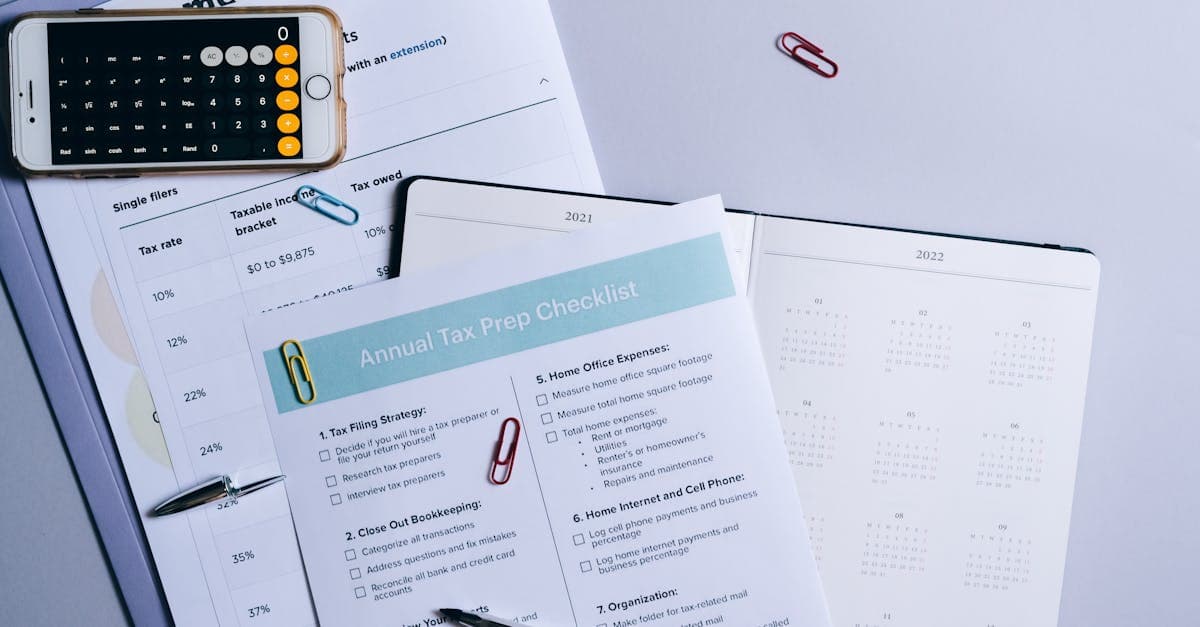
How to Conduct a Policy Checkup With Your Insurance Agent
A productive policy checkup with your agent covers coverage limits, deductibles, endorsements, discounts, and life changes. Preparing for the meeting ensures you address every important issue.

The Risks of Signing an Assignment of Benefits After Property Damage
Signing an AOB can speed up repairs but also removes your control over the claim. Understanding the risks helps you decide whether an AOB agreement is right for your situation.