Which Insurance Pays for Water Damage? A Scenario-by-Scenario Breakdown

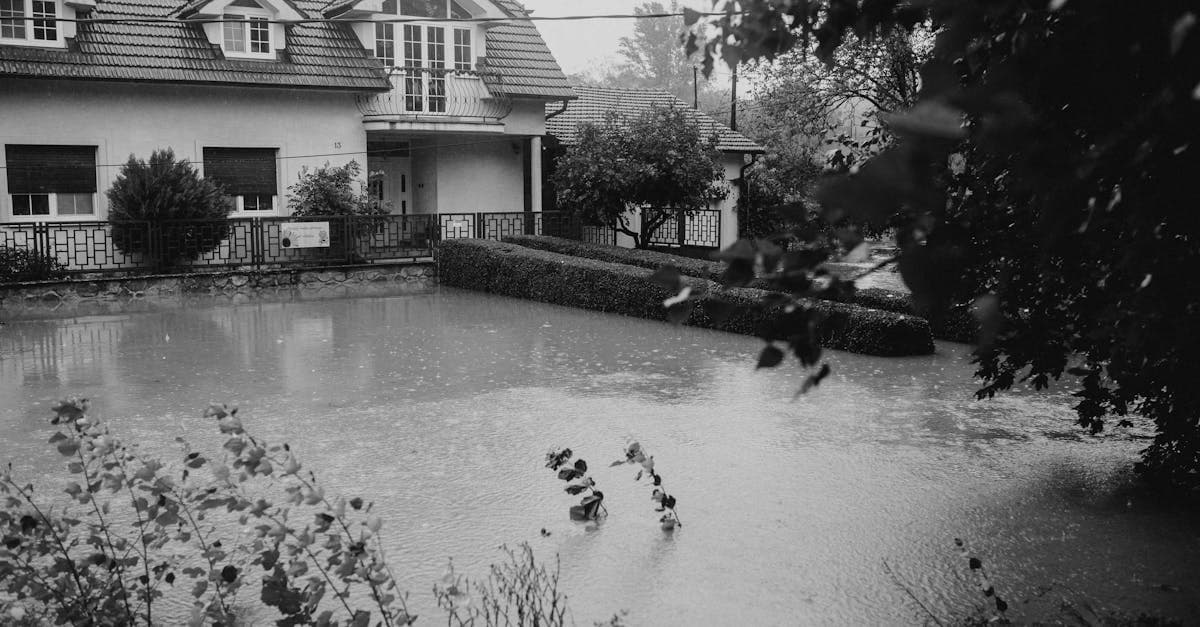
Dangerous myths about the relationship between flood insurance and homeowners insurance leave millions of homeowners underprotected against water damage. Let us correct the most harmful misconceptions.
Myth one: homeowners insurance covers all water damage including floods. It never does. Every standard homeowners policy excludes flood damage — defined as rising water from external sources. This exclusion is absolute and applies in every flood zone.
Myth two: if you have good homeowners insurance, you do not need flood insurance. Quality has nothing to do with it. Even the most comprehensive homeowners policy on the market excludes flood damage. No endorsement, no rider, and no premium increase can add flood coverage to a standard homeowners policy.
Myth three: flood insurance covers everything homeowners insurance covers plus flooding. It does not. Flood insurance only covers damage from flooding events. It does not cover fire, theft, wind damage, or internal water damage from burst pipes and appliance failures.
Myth four: you only need flood insurance if your mortgage lender requires it. Lenders only mandate flood insurance in high-risk FEMA zones, but flooding occurs in every zone. More than 25 percent of flood claims come from outside high-risk areas.
The truth is that flood insurance and homeowners insurance are the dual-wall construction that protects against both internal plumbing failures and external water intrusion from every direction. They are complementary products that together provide the complete water damage protection that neither offers alone.
Sewer Backup Coverage: The Third Piece of Complete Water Protection
The fix is straightforward. Between flood insurance and homeowners insurance, there is a third water damage coverage that many homeowners overlook: sewer backup coverage. Understanding all three products ensures no water damage scenario leaves you unprotected.
What sewer backup coverage is: Sewer backup coverage is an endorsement — an add-on — to your homeowners insurance policy. It covers water damage caused by water or sewage that backs up into your home through sewer lines, floor drains, or sump pump systems. This is not a standalone policy but a rider on your existing homeowners coverage.
Why standard homeowners does not cover it: Many homeowners policies exclude or limit coverage for water that backs up through drains or sewers. The sewer backup endorsement adds this coverage back into the policy for an additional premium, typically $40 to $160 per year.
Why flood insurance does not cover it: Flood insurance covers water that enters from outside as surface water or overflow. Sewer backup enters through your home's drainage system — a different entry mechanism. The NFIP does not classify sewer backup as a flood event unless the backup was directly caused by flooding on the surface.
When sewer backup and flooding happen together: Heavy rainfall can simultaneously overwhelm municipal sewers causing backup through your drains and cause surface flooding that enters through doors and foundations. You may need both sewer backup coverage and flood insurance to cover all the damage from a single rainfall event.
Coverage limits for sewer backup: Sewer backup endorsements typically provide $5,000 to $25,000 in coverage — significantly less than homeowners or flood policy limits. For homes with finished basements where sewer backup damage can be extensive, selecting the highest available limit is advisable.
The complete water damage protection package: Homeowners insurance for internal water events. Flood insurance for external rising water. Sewer backup coverage for drain and sewer backflows. Together, these three products cover virtually every way water can damage your home. The combined cost — homeowners premium plus a few hundred for flood plus $40 to $160 for sewer backup — is modest compared to the comprehensive protection provided.
Building a Complete Protection Strategy With Both Policies
Here is what you actually need to do. The goal of carrying both flood insurance and homeowners insurance is creating seamless protection where no water damage scenario leaves you financially exposed. Building this strategy requires intentional decisions about coverage levels, deductibles, and supplemental coverages — because building a layered defense where flood insurance and homeowners insurance each reinforce the walls the other cannot reach.
Start with homeowners insurance: Your homeowners policy is the foundation. Ensure your dwelling coverage matches your home's full replacement cost. Select personal property coverage sufficient to replace your belongings. Add endorsements for scheduled valuables, sewer backup coverage, and any other water-related endorsements your insurer offers.
Add flood insurance to fill the gap: Choose between NFIP and private flood insurance based on your property's characteristics and needs. If your home's value exceeds $250,000, consider private flood insurance for higher building limits. If your contents are valuable, consider a private policy with replacement cost contents coverage.
Align deductibles with your budget: Your total deductible exposure in a dual-claim event includes your homeowners deductible plus your flood insurance building deductible plus your flood insurance contents deductible. Ensure you can afford all applicable deductibles simultaneously after a major storm.
Add sewer backup coverage: For $40 to $160 per year, a sewer backup endorsement on your homeowners policy closes the gap between flood and homeowners coverage for water that enters through drains. This is especially important for homes with basements.
Review coverage annually: Home values, personal property values, and flood risk all change over time. Review both policies annually to ensure coverage levels, deductibles, and endorsements still match your needs. Update coverage amounts when you renovate, acquire valuable property, or when local conditions change.
Document your coverage strategy: Keep copies of both policies, your agent's contact information, and your coverage summary in a waterproof location or digital backup. After a water event, you need immediate access to both policy documents to file claims efficiently with both insurers.
Filing Claims: How the Process Differs Between Flood and Homeowners Insurance
Here is what you actually need to do. When water damages your home, the claims process depends on which policy responds. Understanding both processes before a loss event ensures you can navigate each one efficiently when it matters most.
Homeowners insurance claims process: Contact your insurance company directly or through your agent. An adjuster — either a company employee or an independent adjuster assigned by your insurer — inspects the damage. You provide documentation including photos, receipts, and an inventory of damaged items. The insurer evaluates the claim against your policy terms and issues payment, typically within two to four weeks for straightforward claims.
NFIP flood insurance claims process: Contact your flood insurance agent or the NFIP directly to report the loss. An NFIP-certified adjuster inspects the damage and prepares a detailed damage report. You provide proof of loss documentation within 60 days. FEMA reviews the adjuster's report and your documentation, then issues payment. The process can take several weeks to several months depending on the scope of damage and the volume of claims being processed.
When both claims happen simultaneously: After a storm that causes both wind and flood damage, you file separate claims with each insurer. Each sends its own adjuster. The adjusters must determine which damage was caused by wind — covered by homeowners insurance — and which was caused by flooding — covered by flood insurance. Clear documentation helps this separation process.
Documentation best practices: Photograph all damage before cleanup begins. Separate damaged items by likely cause — internal water versus external flooding. Keep receipts for all emergency repairs and temporary measures. Create a detailed inventory of damaged personal property with estimated values and ages.
Advance payments and emergency funds: Homeowners insurers often provide advance payments for emergency repairs and temporary housing. NFIP flood insurance may provide advance payments for serious damage but does not cover temporary housing. Having emergency savings accessible during the claims process prevents financial strain.
Dispute resolution differences: Homeowners insurance disputes go through your state's insurance department and potentially to court. NFIP flood insurance disputes can be appealed to FEMA and may proceed to federal court. Understanding the dispute resolution path for each policy helps if you disagree with a claim determination.
Navigating Dual Claims: When Both Policies Respond to One Event
The fix is straightforward. Major weather events often trigger both flood insurance and homeowners insurance simultaneously. Understanding how to manage two claims from a single event ensures you receive full compensation from both policies.
Identifying dual-claim events: Any storm that causes both wind damage and flooding creates a dual-claim situation. Hurricanes are the most common example, but severe thunderstorms, tornadoes with associated flooding, and winter storms with ice dams and snowmelt flooding can all trigger both policies.
Separating damage by cause: The key to successful dual claims is separating damage by its cause. Wind damage — missing roof sections, broken windows, displaced siding — is a homeowners claim. Flood damage — waterlines on walls, mud and silt deposits, damage below the flood level — is a flood claim. Take photos that clearly show each type of damage separately.
Coordinating with two adjusters: Each insurer sends its own adjuster to inspect the damage. The homeowners adjuster evaluates wind and rain damage. The flood adjuster evaluates flood damage. Their assessments should not overlap — each adjuster should claim only the damage caused by the peril they cover.
Preventing payment gaps: The risk in dual claims is that each adjuster attributes damage to the other policy, leaving some damage uncovered. If your homeowners adjuster says wall damage below the waterline is flood damage, and your flood adjuster limits payment for that same area, you may have a gap. Document everything and question any damage that neither adjuster is claiming.
Timing and communication: Report both claims as soon as possible after the event. Inform each insurer that you are filing a claim with the other. Provide the same documentation — photos, repair estimates, inventory — to both insurers. Keep records of all communications with both claims departments.
Professional help for complex claims: For major events with significant damage from both wind and flood, consider hiring a public adjuster who understands both policies. A public adjuster represents you — not either insurer — and can help ensure that all damage is assigned to the correct policy and that no damage falls through the cracks between the two.
Filing Claims: How the Process Differs Between Flood and Homeowners Insurance
Here is what you actually need to do. When water damages your home, the claims process depends on which policy responds. Understanding both processes before a loss event ensures you can navigate each one efficiently when it matters most.
Homeowners insurance claims process: Contact your insurance company directly or through your agent. An adjuster — either a company employee or an independent adjuster assigned by your insurer — inspects the damage. You provide documentation including photos, receipts, and an inventory of damaged items. The insurer evaluates the claim against your policy terms and issues payment, typically within two to four weeks for straightforward claims.
NFIP flood insurance claims process: Contact your flood insurance agent or the NFIP directly to report the loss. An NFIP-certified adjuster inspects the damage and prepares a detailed damage report. You provide proof of loss documentation within 60 days. FEMA reviews the adjuster's report and your documentation, then issues payment. The process can take several weeks to several months depending on the scope of damage and the volume of claims being processed.
When both claims happen simultaneously: After a storm that causes both wind and flood damage, you file separate claims with each insurer. Each sends its own adjuster. The adjusters must determine which damage was caused by wind — covered by homeowners insurance — and which was caused by flooding — covered by flood insurance. Clear documentation helps this separation process.
Documentation best practices: Photograph all damage before cleanup begins. Separate damaged items by likely cause — internal water versus external flooding. Keep receipts for all emergency repairs and temporary measures. Create a detailed inventory of damaged personal property with estimated values and ages.
Advance payments and emergency funds: Homeowners insurers often provide advance payments for emergency repairs and temporary housing. NFIP flood insurance may provide advance payments for serious damage but does not cover temporary housing. Having emergency savings accessible during the claims process prevents financial strain.
Dispute resolution differences: Homeowners insurance disputes go through your state's insurance department and potentially to court. NFIP flood insurance disputes can be appealed to FEMA and may proceed to federal court. Understanding the dispute resolution path for each policy helps if you disagree with a claim determination.
Navigating Dual Claims: When Both Policies Respond to One Event
The fix is straightforward. Major weather events often trigger both flood insurance and homeowners insurance simultaneously. Understanding how to manage two claims from a single event ensures you receive full compensation from both policies.
Identifying dual-claim events: Any storm that causes both wind damage and flooding creates a dual-claim situation. Hurricanes are the most common example, but severe thunderstorms, tornadoes with associated flooding, and winter storms with ice dams and snowmelt flooding can all trigger both policies.
Separating damage by cause: The key to successful dual claims is separating damage by its cause. Wind damage — missing roof sections, broken windows, displaced siding — is a homeowners claim. Flood damage — waterlines on walls, mud and silt deposits, damage below the flood level — is a flood claim. Take photos that clearly show each type of damage separately.
Coordinating with two adjusters: Each insurer sends its own adjuster to inspect the damage. The homeowners adjuster evaluates wind and rain damage. The flood adjuster evaluates flood damage. Their assessments should not overlap — each adjuster should claim only the damage caused by the peril they cover.
Preventing payment gaps: The risk in dual claims is that each adjuster attributes damage to the other policy, leaving some damage uncovered. If your homeowners adjuster says wall damage below the waterline is flood damage, and your flood adjuster limits payment for that same area, you may have a gap. Document everything and question any damage that neither adjuster is claiming.
Timing and communication: Report both claims as soon as possible after the event. Inform each insurer that you are filing a claim with the other. Provide the same documentation — photos, repair estimates, inventory — to both insurers. Keep records of all communications with both claims departments.
Professional help for complex claims: For major events with significant damage from both wind and flood, consider hiring a public adjuster who understands both policies. A public adjuster represents you — not either insurer — and can help ensure that all damage is assigned to the correct policy and that no damage falls through the cracks between the two.
Know Your Coverage: A Consumer's Guide to Complete Protection
As a homeowner, you deserve transparency about what your insurance does and does not cover. The flood exclusion in your homeowners policy is the most significant gap in standard residential coverage, and closing it with flood insurance is your right and your responsibility.
Do not assume your homeowners insurance covers all water damage. It does not. Do not assume flood insurance is only for homes near water. It is not. Do not assume you will receive federal disaster assistance if flooding occurs. It is limited, slow, and often comes as a loan.
Informed consumers ask their agents specific questions: what water damage scenarios does my homeowners policy exclude? How much would flood insurance cost for my property? Do I need sewer backup coverage? What are the coverage limits and deductibles for each policy? What valuation method does each use for contents?
The answers to these questions reveal whether you have complete protection or dangerous gaps. Closing those gaps typically costs a few hundred dollars per year — an investment that prevents financial devastation when water damage strikes from any direction. Be the consumer who asks the questions before the water arrives, not after.
Continue reading

Why the Cheapest Insurance Quote Could Cost You the Most
A low premium often hides higher deductibles, lower coverage limits, and broader exclusions that leave you exposed when damage occurs. Understanding total cost of coverage reveals the true price of cheap insurance.

How to Conduct a Policy Checkup With Your Insurance Agent
A productive policy checkup with your agent covers coverage limits, deductibles, endorsements, discounts, and life changes. Preparing for the meeting ensures you address every important issue.

The Risks of Signing an Assignment of Benefits After Property Damage
Signing an AOB can speed up repairs but also removes your control over the claim. Understanding the risks helps you decide whether an AOB agreement is right for your situation.