Does Home Insurance Cover Lightning Strikes? What's Included

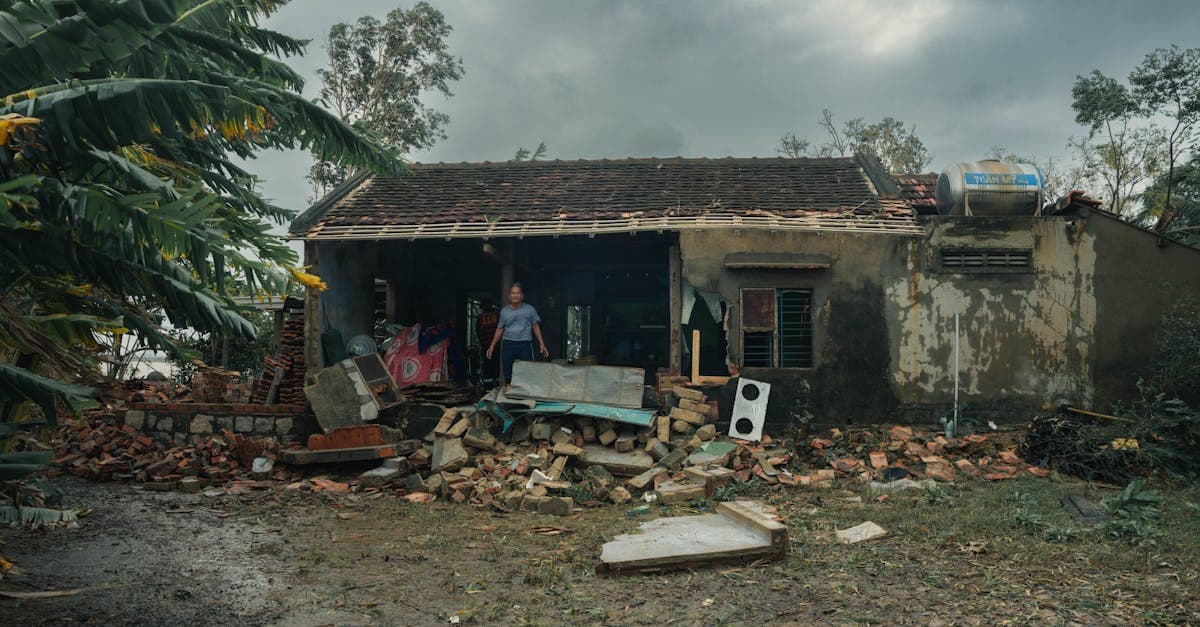
Many homeowners assume their policy covers all storm damage. It does not. This misconception leads to denied claims, financial hardship, and frustration that could be avoided with accurate understanding. Let us correct the most damaging myths about storm damage coverage right now.
Myth one: all water damage from storms is covered. False. Your homeowners policy covers water that enters through storm-damaged openings like a breached roof, but it does not cover flooding from rising water, storm surge, or ground saturation. That requires separate flood insurance.
Myth two: your insurance will replace your entire roof if part of it is damaged. Not necessarily. Most policies cover the damaged portion. Whether the insurer pays to match undamaged sections depends on your policy language and state regulations.
Myth three: you have unlimited time to file a storm damage claim. Every state has claim filing deadlines, and many policies have shorter notice requirements. Delayed reporting can result in claim denial.
Myth four: the insurance company will automatically find all the damage. The adjuster inspects what is reported and visible. Hidden damage that you do not identify and document may be missed, reducing your settlement.
Your homeowners insurance is the reinforced foundation that keeps your financial house standing when the physical one takes a hit. It provides powerful protection against storm damage, but only within its defined boundaries. Understanding those boundaries before the next storm transforms your policy from a mystery into a plan.
Filing a Storm Damage Insurance Claim
The fix is straightforward. The storm damage claims process follows specific steps, and moving through them efficiently helps you get repairs completed and your life back to normal as quickly as possible.
Step one — ensure safety: Before thinking about insurance, make sure your family is safe. If structural damage is severe, do not enter the building until it is cleared by professionals. Turn off utilities if you suspect gas leaks or electrical hazards.
Step two — document everything: Once safe, photograph and video-record all damage from multiple angles. Include wide shots showing the overall scope and close-ups of specific damage. Photograph the exterior and interior. Capture damaged personal property. Note the date and time. If possible, photograph conditions during or immediately after the storm to establish causation.
Step three — make temporary repairs: Cover roof breaches, board broken windows, and remove standing water to prevent further damage. Photograph these temporary repairs and keep all receipts. Do not make permanent repairs before the adjuster inspects.
Step four — contact your insurer: Report the claim as soon as possible. Most insurers offer 24-hour claim reporting. Provide basic facts about the storm event and the damage. You will receive a claim number and timeline for adjuster contact.
Step five — work with the adjuster: The assigned adjuster will inspect your property, assess the damage, and prepare an estimate. Be present during the inspection to point out all damage areas. Provide your documentation, photographs, and temporary repair receipts. If damage is extensive, consider hiring a public adjuster to represent your interests.
Step six — review and negotiate: Review the adjuster's estimate carefully. If you believe it is too low, provide contractor estimates that support a higher figure. You have the right to dispute the settlement amount and request re-inspection of missed damage areas. Most storm damage claims are negotiable.
Storm Damage and the Matching Debate
Here is what you actually need to do. One of the most contentious issues in storm damage claims is whether the insurer must pay to match undamaged materials when repairing storm-damaged sections. This matching question affects roof, siding, and other exterior claims where partial damage creates a visual mismatch between new and old materials.
The matching problem: When a storm damages half your roof shingles, the replacement shingles will look noticeably different from the weathered undamaged shingles even if they are the same brand and color. Over time, they will blend together, but initially the mismatch is obvious. The same issue applies to siding, gutters, and other exterior materials.
State regulations on matching: Several states have enacted regulations requiring insurers to pay for uniform and consistent appearance when repairing storm damage. In these states, if damaged materials cannot be reasonably matched, the insurer must pay to replace the entire surface — even the undamaged portions — to achieve a consistent result.
Policy language on matching: Some policies specifically address matching, while others are silent on the issue. When the policy is silent, the outcome depends on state law, insurer practice, and negotiation. Review your policy's matching provisions before storm season so you know what to expect.
Practical strategies: If matching is important to you, document the condition and brand of your current materials before any storm damage. After damage occurs, obtain contractor estimates that include matching costs. If your insurer denies matching, request a written explanation and consider escalating through your state's insurance department.
Discontinued materials: When your existing materials have been discontinued by the manufacturer, matching becomes impossible. This strengthens your argument for full replacement since no repair can restore uniform appearance. Document the discontinuation with manufacturer evidence to support your claim.
Storm Damage to Your Roof: Claims and Coverage
The fix is straightforward. Your roof is your home's primary defense against storms and the most commonly damaged component in storm events. Roof damage claims represent the single largest category of homeowners insurance storm claims by both frequency and dollar volume.
Types of covered roof damage: Wind-lifted or missing shingles, hail impacts that crack or dislodge roofing material, punctures from fallen branches or debris, and structural damage from extreme wind loads are all covered. Damage to flashing, vents, and roof-mounted equipment from storm forces is included.
Replacement cost vs actual cash value: How your policy values roof damage significantly affects your payout. Replacement cost coverage pays to repair or replace the roof with similar materials at current prices. Actual cash value coverage deducts depreciation based on the roof's age. On a fifteen-year-old roof with a thirty-year expected life, depreciation can reduce your payout by fifty percent. Some policies switch from replacement cost to actual cash value once the roof reaches a certain age.
The matching issue: When storms damage part of your roof, matching the new materials to the existing undamaged sections becomes contentious. If the damaged shingles are discontinued or significantly weathered, a perfect match may be impossible. Some states require insurers to pay for full replacement to achieve a uniform appearance. Others allow repair of only the damaged sections. Your policy language and state regulations determine your outcome.
Roof age and claims: Older roofs present challenges for storm damage claims. Adjusters must distinguish between storm damage and pre-existing wear. If your roof was already near the end of its useful life, the insurer may argue that the storm simply accelerated an inevitable replacement. Documenting your roof's condition through regular maintenance records strengthens your position.
Inspection after every significant storm: Not all roof damage is visible from the ground. Have a qualified inspector examine your roof after any storm with significant wind or hail. Documenting damage promptly protects your claim rights and prevents minor damage from worsening into major problems.
Additional Living Expenses After Storm Damage
Here is what you actually need to do. When storm damage makes your home uninhabitable, your homeowners policy's loss of use coverage — also called Coverage D or additional living expenses — pays the extra costs of living elsewhere while repairs are completed. Understanding this coverage helps you manage the financial impact of displacement.
What ALE covers: Additional living expenses include the difference between your normal living costs and the increased costs of temporary housing. Hotel or rental housing costs, restaurant meals beyond your normal food budget, laundry services, additional transportation costs, and storage for your belongings are all covered.
The difference standard: ALE pays the difference between what you normally spend and what you must spend while displaced. If your monthly mortgage payment is $2,000 and a temporary rental costs $2,500, ALE pays the $500 difference in housing plus any other increased costs. If you stay with family rent-free, you may still claim other increased expenses like meals and transportation.
Coverage limits: ALE is typically limited to a percentage of your dwelling coverage — commonly twenty percent. On a $300,000 dwelling, that means up to $60,000 in additional living expenses. There may also be time limits on how long ALE coverage lasts, usually twelve to twenty-four months. Major storm damage repairs can take months, so understanding your time and dollar limits is important.
Documentation requirements: Keep detailed receipts for all additional expenses while displaced. Track hotel bills, restaurant costs, gas receipts, and any other expenses that exceed your normal spending. The insurer will compare your claimed expenses against your typical costs to determine the covered difference.
Returning home: ALE coverage ends when your home is repaired and habitable, when you reach your coverage limit, or when the time limit expires — whichever comes first. If repairs take longer than expected, communicate with your insurer about your ALE status before approaching any limits.
Flood Damage vs Storm Damage: The Critical Distinction
Here is what you actually need to do. Understanding the difference between flood damage and storm damage is building a framework of recovery around the damage that storms leave in their wake because it determines whether your homeowners insurance pays for water damage or whether you need a separate flood policy. This distinction is the single most important boundary in storm damage coverage.
What your homeowners policy covers: Wind-driven rain that enters through damaged windows, doors, or roof openings is covered storm damage. Water that enters from above — through a breached roof or broken skylight — is covered. The key principle is that a covered peril created the opening through which water entered.
What requires flood insurance: Rising water from any source — storm surge, overflowing rivers, overwhelmed storm drains, saturated ground — is flooding regardless of what caused it. Your homeowners policy excludes this damage. Even if a hurricane's winds caused the ocean to surge into your home, the water damage is classified as flooding. The National Flood Insurance Program and private flood insurers provide this coverage separately.
The overlap zone: Many storm events create both types of damage simultaneously. A hurricane blows off your roof while storm surge floods your first floor. The roof damage and rain entering from above is covered by homeowners insurance. The surge water entering from below is covered only by flood insurance. If you lack flood insurance, the lower-level damage is entirely your responsibility.
Burden of proof: In disputed claims where both wind and water damaged the same areas, determining the cause of specific damage becomes contentious. Generally, you must prove that wind — a covered peril — caused the damage you are claiming. The insurer must prove that flooding — an excluded peril — caused the damage they are denying.
Protecting yourself: The only way to close this coverage gap is to carry both homeowners insurance and flood insurance. In flood-prone areas, this dual coverage is essential. Even outside high-risk flood zones, more than twenty percent of flood claims come from properties in low-to-moderate risk areas.
Avoiding Contractor Fraud After Storm Damage
The fix is straightforward. Major storms attract fraudulent contractors who prey on vulnerable homeowners dealing with damage and displacement. Understanding the warning signs protects your property, your insurance claim, and your finances.
Storm chaser warning signs: Unsolicited door-to-door contractors who appear immediately after a storm are the highest risk. Red flags include demanding large upfront payments, offering to waive your deductible, pressuring you to sign an assignment of benefits immediately, providing only a cell phone number with no physical business address, and claiming they can get your insurance to pay more than the actual damage warrants.
The deductible waiver scam: A contractor who offers to waive your deductible is committing insurance fraud and putting you at risk. They inflate the claim amount to cover the deductible cost, which means you are participating in a fraudulent claim that can result in policy cancellation and potential criminal liability.
Assignment of benefits risks: An assignment of benefits transfers your insurance claim rights to the contractor, who then deals directly with your insurer. While legitimate in some circumstances, unscrupulous contractors use AOBs to inflate claims, delay settlements, and pursue litigation against your insurer using your claim rights. Many states have reformed AOB laws due to widespread abuse.
Protecting yourself: Get multiple estimates from licensed, insured contractors with verifiable local business histories. Check references and online reviews. Verify contractor licenses with your state licensing board. Never sign anything under pressure, especially immediately after storm damage when emotions are high and judgment may be impaired.
Working with your insurer: Your insurer can provide a list of approved contractors, though you are not required to use them. Communicate with both your contractor and your insurer throughout the repair process. If a contractor's estimate significantly exceeds the insurer's estimate, have both parties discuss the scope of work before authorizing repairs.
Your Rights in Storm Damage Claims
As a homeowner filing a storm damage claim, you have important rights that protect your interests. Understanding and exercising these rights ensures fair treatment throughout the claims process.
You have the right to choose your own contractor for repairs. Your insurer may recommend preferred contractors, but they cannot require you to use a specific company. Select a contractor you trust with verifiable credentials and references.
You have the right to dispute your claim settlement. If you believe the adjuster's estimate is too low, present contractor estimates that support a higher figure. If you cannot reach agreement, most states provide appraisal or mediation processes that can resolve disputes without litigation.
You have the right to file a complaint with your state insurance department. If you believe your claim is being handled unfairly, delayed without justification, or denied improperly, your state regulator can investigate and intervene on your behalf.
Exercise these rights calmly and persistently. Document every interaction with your insurer. Keep copies of all correspondence. The homeowners who receive the best storm damage outcomes are the ones who know their rights and advocate for themselves within the system.
Continue reading

Why the Cheapest Insurance Quote Could Cost You the Most
A low premium often hides higher deductibles, lower coverage limits, and broader exclusions that leave you exposed when damage occurs. Understanding total cost of coverage reveals the true price of cheap insurance.
How to Conduct a Policy Checkup With Your Insurance Agent
A productive policy checkup with your agent covers coverage limits, deductibles, endorsements, discounts, and life changes. Preparing for the meeting ensures you address every important issue.

The Risks of Signing an Assignment of Benefits After Property Damage
Signing an AOB can speed up repairs but also removes your control over the claim. Understanding the risks helps you decide whether an AOB agreement is right for your situation.