Why Flood Damage Is Not Covered by Standard Homeowners Insurance

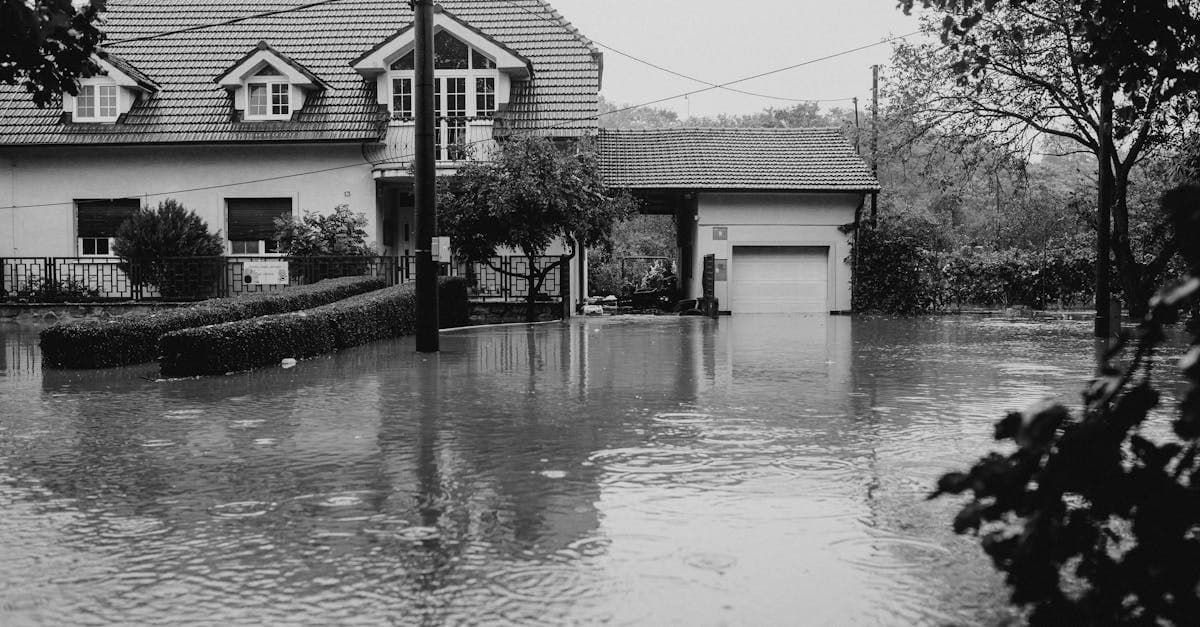
The most dangerous myth in homeowners insurance is that your policy covers all water damage. It does not — and the list of excluded water damage scenarios is longer than most homeowners realize. Your homeowners policy is the waterproof foundation beneath your financial security, built layer by layer to keep water damage claims from eroding the structure of your home investment, but it draws very specific lines around which water damage events trigger coverage and which leave you paying out of pocket.
Myth one: all water damage is covered by homeowners insurance. Only sudden, accidental water damage from covered sources is covered. Gradual leaks, floods, groundwater seepage, and sewer backups are all excluded from standard policies. Myth two: if a pipe leaks behind a wall, insurance will cover the damage. Only if the leak was sudden. If your insurer determines the pipe has been leaking slowly for weeks or months, the claim is denied under the gradual damage exclusion.
Myth three: heavy rain that floods your basement is covered. Standard homeowners insurance does not cover flood damage from any source, including heavy rainfall that accumulates on the surface and enters your home. You need a separate flood insurance policy for this protection. Myth four: your insurance covers mold from water damage. Mold coverage is severely limited under most homeowners policies and often capped at five to ten thousand dollars, even when the mold results from a covered water event.
Myth five: if your sewer backs up into your home, your homeowners policy pays for the cleanup. Standard policies exclude sewer backup damage entirely. You need a specific sewer backup endorsement — typically costing thirty to seventy-five dollars per year — to close this gap.
Separating these myths from reality is essential for every homeowner. Water damage is too common and too expensive to leave your coverage assumptions untested. This guide walks through every covered and excluded water damage scenario so you can protect your home with knowledge rather than hope.
Water Damage Mitigation: Your Duty to Prevent Further Loss
The fix is straightforward. After discovering water damage in your home, your homeowners policy imposes a duty to mitigate — you must take reasonable steps to prevent the damage from worsening. Fulfilling this duty protects your claim, and the costs you incur during mitigation are covered as part of the water damage claim.
What mitigation requires: Stop the water source — shut off the valve, turn off the appliance, or cover a roof opening. Move undamaged items away from standing water. Remove excess water using towels, mops, or a wet vacuum. Begin drying with fans and dehumidifiers immediately.
Professional mitigation coverage: Hiring a professional restoration company for emergency extraction, industrial drying, and antimicrobial treatment is covered when the underlying water damage is covered. Most companies work directly with insurers and can begin work before your claim is formally approved.
What happens if you do not mitigate: Failure to act can reduce or partially deny your claim. Leaving a burst pipe unaddressed over a weekend means your insurer may deny coverage for additional damage that accumulated. Initial damage remains covered, but preventable secondary damage is excluded.
Documenting mitigation efforts: Photograph your mitigation efforts alongside the damage. Keep receipts for all supplies purchased — towels, fans, cleaning products. Document the timeline from discovery through professional restoration to prove you fulfilled your duty to mitigate.
Emergency mitigation costs: Emergency plumber calls, temporary tarping, and hotel stays if the home is unsafe are all covered expenses. Keep all receipts and report these expenses to your insurer promptly.
Loss of Use After Water Damage: When You Must Leave Your Home
Here is what you actually need to do. Severe water damage can make your home uninhabitable for days, weeks, or even months during restoration. When covered water damage forces you out, your homeowners policy's loss of use coverage — also called additional living expenses — pays for your temporary housing and increased costs while repairs are completed.
When loss of use applies: Your home must be unfit to live in due to covered water damage. A burst pipe flooding multiple rooms, extensive structural drying requiring days of industrial equipment, or contaminated water making the home unsafe all qualify. Minor damage confined to one room typically does not trigger this coverage.
What expenses are covered: Loss of use pays for temporary housing including hotels or short-term rentals, increased meal costs when you cannot cook at home, additional transportation if your temporary location is farther from work, laundry services, pet boarding, and storage fees for your belongings during restoration.
The increased cost calculation: Coverage pays the difference between your normal living expenses and the increased expenses caused by displacement. If your monthly housing cost is normally fifteen hundred and a comparable temporary rental costs twenty-five hundred, loss of use pays the one thousand dollar monthly difference.
Time and dollar limits: Most policies cap loss of use at twenty to thirty percent of your dwelling coverage limit. Some policies also impose time limits of twelve to twenty-four months. Understanding both your dollar limit and time limit helps you plan temporary living arrangements that stay within coverage.
Keep meticulous records: Document every displacement expense with receipts. Track temporary housing costs, meals, transportation, and incidental expenses daily. Organized and thorough documentation ensures smooth reimbursement and prevents disputes with your insurer over covered additional living expenses.
The Flood Exclusion: Why Your Homeowners Policy Will Not Pay
Here is what you actually need to do. The flood exclusion is the crack in the basement wall that widens with every rainfall until water pours through and reveals the structural weakness in your insurance coverage — the single most significant gap in homeowners water damage coverage. No standard homeowners policy in America covers flood damage, and this exclusion catches more homeowners off guard than any other coverage limitation.
How insurance defines flood: Flood damage means water entering from outside through surface accumulation, river overflow, storm surge, mudflow, or any external ground-level water. This includes heavy rain pooling in your yard and seeping through a basement window.
Why floods are excluded: Flood risk is concentrated geographically, making standard insurance pooling impractical. The National Flood Insurance Program was created in 1968 because private insurers could not profitably cover flood risk within standard homeowners policies.
The NFIP option: The NFIP offers flood coverage up to two hundred fifty thousand dollars for the dwelling and one hundred thousand for personal property. Premiums vary by flood zone, elevation, and building characteristics.
Private flood insurance: Private flood insurers now offer coverage exceeding NFIP limits with more flexible terms, including additional living expenses and higher personal property limits.
Who needs flood insurance: Twenty-five percent of flood claims come from outside designated high-risk zones. If your home is near water, in a low-lying area, or in a heavy-rainfall region, flood insurance deserves serious consideration.
Water Damage Mitigation: Your Duty to Prevent Further Loss
The fix is straightforward. After discovering water damage in your home, your homeowners policy imposes a duty to mitigate — you must take reasonable steps to prevent the damage from worsening. Fulfilling this duty protects your claim, and the costs you incur during mitigation are covered as part of the water damage claim.
What mitigation requires: Stop the water source — shut off the valve, turn off the appliance, or cover a roof opening. Move undamaged items away from standing water. Remove excess water using towels, mops, or a wet vacuum. Begin drying with fans and dehumidifiers immediately.
Professional mitigation coverage: Hiring a professional restoration company for emergency extraction, industrial drying, and antimicrobial treatment is covered when the underlying water damage is covered. Most companies work directly with insurers and can begin work before your claim is formally approved.
What happens if you do not mitigate: Failure to act can reduce or partially deny your claim. Leaving a burst pipe unaddressed over a weekend means your insurer may deny coverage for additional damage that accumulated. Initial damage remains covered, but preventable secondary damage is excluded.
Documenting mitigation efforts: Photograph your mitigation efforts alongside the damage. Keep receipts for all supplies purchased — towels, fans, cleaning products. Document the timeline from discovery through professional restoration to prove you fulfilled your duty to mitigate.
Emergency mitigation costs: Emergency plumber calls, temporary tarping, and hotel stays if the home is unsafe are all covered expenses. Keep all receipts and report these expenses to your insurer promptly.
Roof Leak Water Damage: When Your Policy Pays and When It Does Not
Here is what you actually need to do. Roof leaks are one of the most disputed areas of water damage coverage because coverage depends entirely on why the roof is leaking. This is constructing a watertight coverage framework where each endorsement and policy layer seals another potential entry point for financial loss — knowing the distinction saves you from filing claims that will be denied and helps you maintain your home to preserve coverage eligibility.
Covered roof leaks: When a covered peril creates an opening — wind lifting shingles, hail cracking tiles, a fallen tree puncturing the roof — rain entering through that opening is covered water damage along with the structural repair.
Excluded roof leaks: When your roof leaks from age, deterioration, or poor maintenance, the water damage is excluded. A worn roof allowing rain to seep during normal storms is a maintenance issue your insurer expects you to address.
The concurrent causation challenge: Storms often affect aging roofs. Your insurer must determine how much damage was caused by the covered wind event versus pre-existing wear, a determination that frequently generates disputes.
Temporary repair coverage: After storm damage creates a roof opening, your policy expects reasonable temporary repairs like tarping. These costs are covered as part of your duty to mitigate further loss.
Regular roof maintenance: Annual inspections, prompt shingle repair, and proper gutter maintenance document that you maintain your roof. This strengthens your position if an insurer questions whether storm or maintenance failure caused the leak.
Water Damage to Personal Property: What Your Policy Replaces
The fix is straightforward. When covered water damage destroys your personal belongings, the personal property section of your homeowners policy pays for their repair or replacement. Understanding how this coverage works ensures you recover the full value of your water-damaged items.
Named peril requirement: Personal property under an HO-3 is covered on a named perils basis. Accidental discharge or overflow of water from plumbing, appliances, or HVAC systems is one of the sixteen named perils. Your water event must match this list for personal property coverage to apply.
Replacement cost vs actual cash value: Replacement cost pays for new equivalents at current prices. Actual cash value deducts depreciation — a five-year-old sofa worth two thousand new might pay only eight hundred after depreciation. Upgrade to replacement cost if your policy defaults to actual cash value, as the difference adds up rapidly across an entire household of damaged items.
Sub-limits on water-damaged items: Standard sub-limits apply to water-damaged items just as they apply to stolen items. Electronics, jewelry, and collectibles face caps below actual value. If water destroys expensive items in capped categories, sub-limits significantly reduce your recovery.
Documenting damaged belongings: Create a detailed list of every water-damaged item including description, age, purchase price, and prior condition. Include commonly forgotten items — books, pantry contents, cleaning supplies, holiday decorations stored in affected areas.
Items commonly damaged: Water claims frequently include flooring and rugs, upholstered furniture, electronics, clothing and linens, books, kitchen items, and stored basement belongings. A thorough room-by-room inventory ensures nothing is overlooked in your claim.
Your Rights as a Water Damage Insurance Consumer
When water damage strikes, you have rights that affect how your claim is handled, how much you receive, and whether a denial can be challenged. Understanding these rights strengthens your position from the moment you report a claim.
You have the right to a prompt investigation. Your insurer must investigate your water damage claim within a reasonable timeframe — typically thirty to forty-five days depending on your state. Unreasonable delays in investigation or payment may constitute bad faith and entitle you to additional remedies.
You have the right to a written explanation of any denial. If your water damage claim is denied, your insurer must provide specific policy language supporting the denial. Vague denials without citation to exclusion language are challengeable. Review the cited language carefully and compare it to the actual facts of your water damage event.
You have the right to challenge any coverage determination. If you disagree with your insurer's finding that your water damage was gradual rather than sudden, you can provide evidence — plumber reports, leak detection sensor data, photographs — supporting a sudden event determination. Request formal reconsideration and document every communication.
You have the right to hire a public adjuster who works for you rather than your insurer. For significant water damage claims, a public adjuster's expertise in documentation, valuation, and negotiation often recovers substantially more than homeowners achieve on their own. Their fee — typically ten to fifteen percent of the settlement — is paid from the claim proceeds.
You have the right to file a complaint with your state insurance department if you believe your water damage claim was handled unfairly. State regulators investigate consumer complaints and can intervene when insurers deny valid claims or delay payments without justification.
Continue reading

Why the Cheapest Insurance Quote Could Cost You the Most
A low premium often hides higher deductibles, lower coverage limits, and broader exclusions that leave you exposed when damage occurs. Understanding total cost of coverage reveals the true price of cheap insurance.
How to Conduct a Policy Checkup With Your Insurance Agent
A productive policy checkup with your agent covers coverage limits, deductibles, endorsements, discounts, and life changes. Preparing for the meeting ensures you address every important issue.

The Risks of Signing an Assignment of Benefits After Property Damage
Signing an AOB can speed up repairs but also removes your control over the claim. Understanding the risks helps you decide whether an AOB agreement is right for your situation.